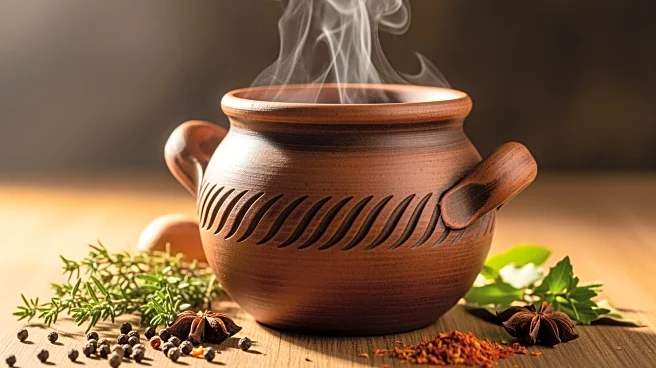

Clay pot cooking is a fascinating culinary technique that has been cherished across various cultures for centuries. This method involves using ceramic pots to cook food, offering unique benefits that enhance
both flavor and texture. For those unfamiliar with this approach, clay pot cooking might seem like a simple tradition, but it is deeply rooted in the science of heat retention and moisture preservation, making it a preferred choice for many dishes worldwide.
Unique Properties of Clay Pots
Clay pots are known for their ability to retain heat and distribute it evenly throughout the cooking process. Unlike metal pots, which heat up quickly and can cause uneven cooking, clay pots take longer to heat but maintain a steady temperature once they do. This characteristic allows for gentle cooking, which is ideal for dishes that require slow simmering to develop rich flavors. The porous nature of clay also contributes to its cooking properties, as it absorbs water and releases steam during cooking, preventing food from drying out.
Another significant advantage of clay pots is their ability to enhance the flavor of the food cooked within them. The specific type of clay used can impart subtle earthy flavors to the dish, adding a unique dimension to the culinary experience. For instance, micaceous clay from Taos Pueblo is renowned for its heat retention and flavor-enhancing qualities. Similarly, clay from Lake Biwa contains tiny fossils that create air pockets, further contributing to the flavor profile of the cooked food.
Health Benefits of Clay Pot Cooking
Cooking with clay pots offers several health benefits, primarily due to the minimal use of additional fats and oils. The steam generated within the pot keeps the food moist, reducing the need for added oils to prevent sticking or burning. As a result, dishes prepared in clay pots are often lower in fat compared to those cooked using other methods. This makes clay pot cooking an excellent choice for health-conscious individuals looking to enjoy flavorful meals without compromising on nutrition.
Moreover, the alkaline nature of clay helps neutralize the acidity in food, maintaining a balanced pH level that aids digestion. This property is particularly beneficial for dishes that include acidic ingredients, as it can make them easier on the stomach. The slow cooking process also ensures that nutrients are preserved, offering a wholesome meal that is both delicious and nutritious.
Cultural Significance and Popularity
Clay pot cooking is not just a culinary technique; it is a cultural tradition that has been passed down through generations. In many regions, clay pots are valued for their historical significance and are often associated with traditional dishes that define local cuisine. From the Römertopf in Germany to the donabe in Japan, each culture has its unique version of clay pot cooking, reflecting the diversity and richness of global culinary practices.
Despite the advent of modern cookware, clay pots continue to be popular among chefs and home cooks alike. Their ability to enhance flavor and preserve nutrients makes them a timeless choice for preparing a wide range of dishes, from hearty stews to delicate rice preparations. As more people seek to reconnect with traditional cooking methods, clay pot cooking remains a cherished practice that celebrates the art and science of creating delicious meals.