




Micelles play a crucial role in the process of micellar liquid chromatography (MLC), a technique that has been utilized since 1980 to enhance the separation of complex mixtures. These tiny aggregates of surfactant molecules are central to the unique capabilities of MLC, allowing for the separation of solutes based on their polarity and hydrophobicity. This article delves into the properties of micelles and their function in the chromatographic process.
Understanding Micelles
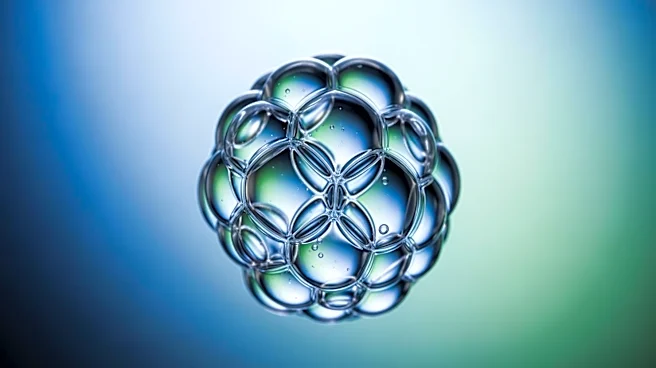
Micelles are formed when surfactant molecules, which have both hydrophobic and hydrophilic parts, aggregate in a solution. The hydrophobic tails of these molecules cluster together to form the core of the micelle, while the hydrophilic heads face outward, interacting with the surrounding aqueous environment. This structure allows micelles to solubilize hydrophobic substances in water, making them essential in MLC.
The formation of micelles occurs when the concentration of surfactant molecules in a solution reaches the critical micelle concentration (CMC). At this point, the surfactant molecules spontaneously form micelles, creating a new phase in the solution. This micellar phase is what enables MLC to separate solutes based on their interactions with the micelles.
Micelles in the Chromatographic Process
In MLC, the mobile phase consists of an aqueous solution containing micelles. As solutes are introduced into the system, they partition between the micellar phase and the stationary phase. The degree to which a solute interacts with the micelles depends on its polarity and hydrophobicity. Polar solutes tend to remain in the mobile phase longer, while non-polar solutes are more likely to interact with the stationary phase.
This partitioning behavior allows MLC to achieve separation of solutes that are difficult to resolve using traditional chromatography methods. The presence of micelles in the mobile phase provides an additional layer of selectivity, enhancing the separation of complex mixtures.
The Impact of Micelles on Efficiency
While micelles offer significant advantages in terms of selectivity and retention, they can also impact the efficiency of the chromatographic process. The presence of micelles can lead to reduced efficiency, resulting in broader peaks and longer retention times. However, researchers are continually developing new approaches to improve the efficiency of MLC, making it a valuable tool in various applications.
Overall, micelles are integral to the function of micellar liquid chromatography, providing unique opportunities for the separation of complex mixtures. As the technique continues to evolve, the role of micelles in chromatography will remain a key area of study and innovation.