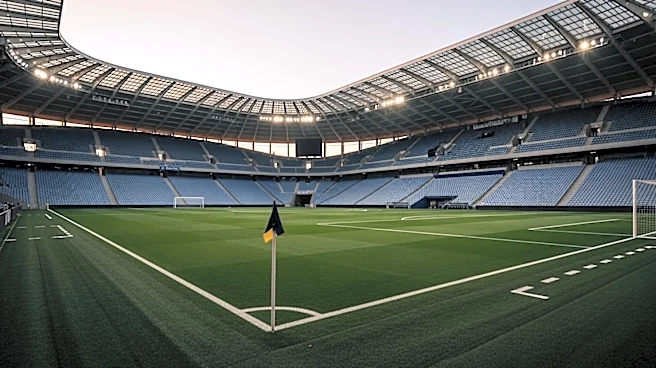




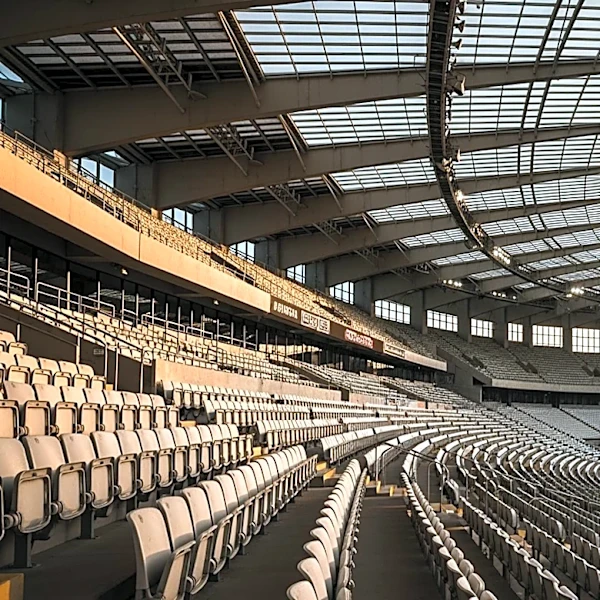



Volksparkstadion, located in Hamburg, Germany, played a significant role during the 2006 FIFA World Cup. As one of the host stadiums, it provided a stage for several key matches in the tournament. With a capacity of 57,000, it was well-suited to accommodate the large crowds that the World Cup attracted. This article delves into the stadium's involvement in the 2006 World Cup, highlighting its features and the matches it hosted.
Hosting the World Cup
Volksparkstadion was
one of the selected venues for the 2006 FIFA World Cup, a tournament that brought together teams from around the globe. The stadium, known as FIFA World Cup Stadium Hamburg during the event due to sponsorship agreements, was chosen for its modern facilities and large capacity. It was part of a broader effort by Germany to showcase its ability to host international sporting events, having previously hosted the World Cup in 1974.
During the World Cup, Volksparkstadion hosted several matches, contributing to the overall success of the tournament. The stadium's design, which includes a grass surface and a field size of 105 by 68 meters, made it an ideal location for high-stakes international matches. The venue's ability to transform its standing sections into seated areas for international matches, reducing its capacity to 51,500, ensured compliance with FIFA regulations.
Key Matches and Events
Volksparkstadion was the site of several important matches during the 2006 FIFA World Cup. The stadium's atmosphere was electric, with fans from all over the world gathering to support their teams. The matches played at Volksparkstadion were part of the group stage, which is crucial for teams aiming to advance to the knockout rounds.
The stadium's location in Hamburg, a city known for its vibrant culture and history, added to the allure of attending matches there. Fans not only enjoyed the football but also the city's hospitality and attractions. The successful hosting of these matches at Volksparkstadion demonstrated Germany's capability to organize large-scale international events.
Legacy of the 2006 World Cup
The 2006 FIFA World Cup left a lasting legacy on Volksparkstadion and Hamburg. The event brought significant attention to the stadium, enhancing its reputation as a premier venue for international sports. The improvements made to the stadium for the World Cup, including renovations and updates, have continued to benefit events held there long after the tournament concluded.
Volksparkstadion's role in the 2006 World Cup is a testament to its importance in the world of football. The stadium not only provided a venue for thrilling matches but also contributed to the cultural exchange and international camaraderie that the World Cup fosters. Its involvement in the tournament remains a proud moment in its history.