


The Great Lakes region of North America is a binational area centered around the Great Lakes, encompassing parts of the United States and Canada. This region is not only defined by its geographical features but also by its rich historical and cultural heritage. From early indigenous settlements to modern urban centers, the Great Lakes region has played a significant role in shaping the history and culture of North America.
Early History and Indigenous Cultures
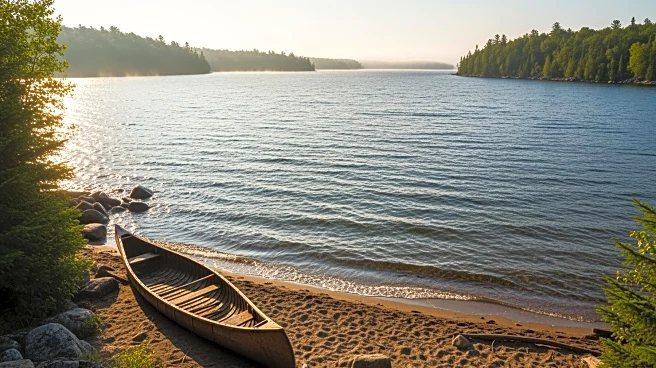
Before European settlement, the Great Lakes region was home to a diverse array of indigenous peoples, including the Iroquoian and Algonquian nations. These groups developed complex societies and economies, relying on the abundant natural resources of the lakes and surrounding lands. The Great Lakes provided a vital source of food, transportation, and trade for these early inhabitants, fostering a rich cultural and social landscape.The arrival of European explorers
and settlers in the 17th century marked a turning point in the region's history. The fur trade became a major economic driver, with French, Dutch, and English merchants establishing trading posts and alliances with indigenous nations. This period of exploration and trade laid the groundwork for the region's future development, as European powers vied for control over the valuable resources and strategic locations of the Great Lakes.
European Settlement and Economic Expansion
The Great Lakes region underwent significant changes during the 18th and 19th centuries as European settlement expanded. The construction of the Erie Canal in 1825 was a pivotal moment in the region's development, connecting the Great Lakes to the Atlantic Ocean and facilitating the movement of goods and people. This infrastructure project spurred economic growth and attracted settlers, transforming the region into a hub of commerce and industry.The industrial revolution further accelerated the region's growth, with cities like Chicago, Detroit, and Cleveland emerging as major centers of manufacturing and innovation. The Great Lakes provided a critical transportation network for the movement of raw materials and finished goods, supporting the region's burgeoning industries. This period of rapid industrialization and urbanization laid the foundation for the modern Great Lakes region, shaping its economic and cultural identity.
Cultural Legacy and Modern Identity
Today, the Great Lakes region is a vibrant and diverse area, with a rich cultural heritage that reflects its complex history. The region is home to a wide range of cultural institutions, including museums, theaters, and universities, which contribute to its dynamic cultural landscape. The Great Lakes continue to play a central role in the region's identity, providing a source of inspiration and pride for its residents.Efforts to preserve and celebrate the region's cultural heritage are ongoing, with initiatives focused on promoting the arts, supporting indigenous communities, and fostering a sense of regional identity. As the Great Lakes region continues to evolve, its historical and cultural legacy remains a vital part of its character, shaping the lives and experiences of those who call it home.