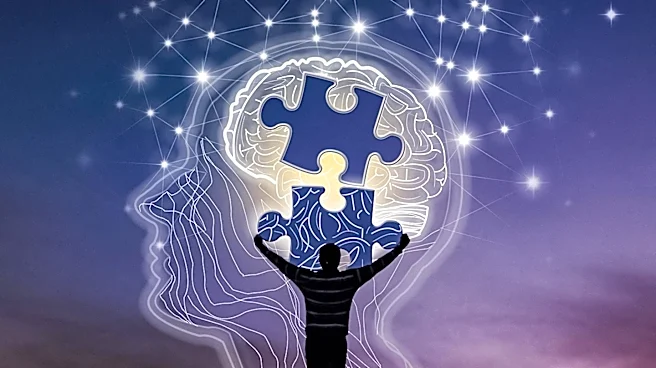







Mood is not just a passive emotional state; it actively influences our cognitive processes, affecting how we think, solve problems, and make decisions. Understanding the interplay between mood and cognition can provide insights into how our mental states shape our interactions with the world. This article explores the impact of mood on cognitive functions and the implications for everyday life.
Mood and Problem-Solving
Research has shown that mood can significantly affect
our problem-solving abilities. Positive moods are often associated with enhanced creativity and flexible thinking. When in a good mood, individuals tend to approach problems with an open mind, exploring a wider range of solutions and thinking more creatively. This can lead to more effective problem-solving and innovative ideas.
Conversely, negative moods can narrow our focus and limit our ability to think outside the box. When feeling down or stressed, individuals might find it challenging to consider alternative solutions or approach problems from different angles. This can result in a more rigid and less effective problem-solving approach. Understanding these dynamics can help individuals harness the power of positive moods to improve their cognitive performance.
Decision-Making and Mood
Mood also plays a crucial role in decision-making processes. Positive moods can lead to more optimistic evaluations of situations and a greater willingness to take risks. This can be beneficial in situations where bold decisions are required, but it can also lead to overconfidence and impulsive choices if not managed carefully.
Negative moods, on the other hand, can lead to more cautious and conservative decision-making. While this can be advantageous in situations that require careful consideration and risk assessment, it can also result in missed opportunities and indecision. Being aware of how mood influences decision-making can help individuals make more balanced and informed choices.
Implications for Everyday Life
The influence of mood on cognitive processes has practical implications for everyday life. By recognizing the impact of mood on problem-solving and decision-making, individuals can take steps to optimize their cognitive performance. Engaging in activities that promote positive moods, such as exercise, socializing, or pursuing hobbies, can enhance cognitive functions and improve overall well-being.
Additionally, being mindful of mood states and their effects can help individuals make more deliberate and thoughtful decisions. By understanding the interplay between mood and cognition, individuals can better navigate the complexities of daily life and make choices that align with their goals and values.