





The kilt is more than just a piece of clothing; it is a powerful symbol of Scottish and Celtic heritage. Its distinctive tartan patterns and unique design have made it an emblem of cultural identity and pride. This article explores the kilt's role as a cultural icon and its significance in representing Scottish and Celtic traditions.
The Kilt as a Cultural Emblem
The kilt has long been associated with Scottish Highland dress, but its cultural significance extends beyond mere attire.
Since the 19th century, the kilt has been embraced as a symbol of Scottish identity, representing the country's rich history and traditions. It is often worn at formal occasions, Highland games, and other cultural events, serving as a visual representation of Scottish pride.
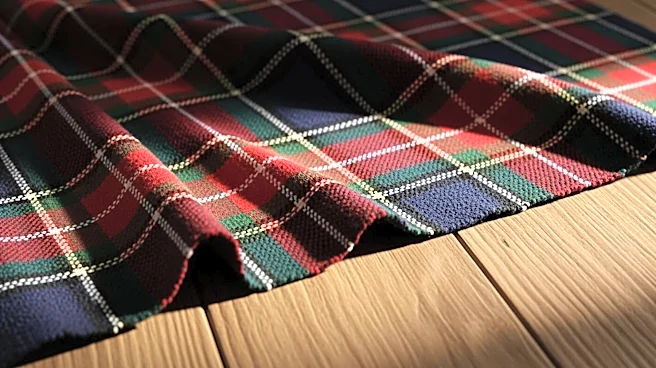
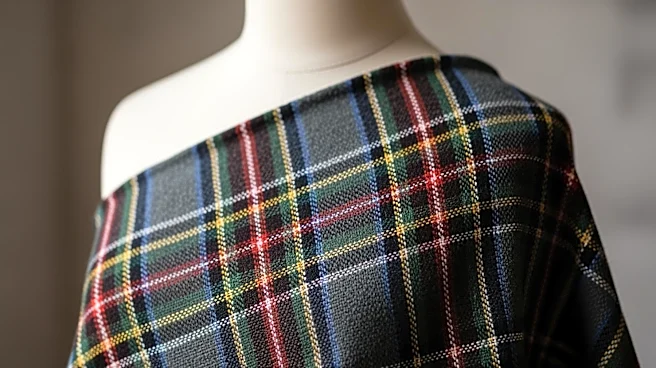
The kilt's tartan patterns are particularly significant, as they are often linked to specific clans or regions. This connection to family and heritage adds a layer of personal meaning to the garment, making it a cherished item for many Scots. The kilt's role in cultural ceremonies and celebrations further cements its status as a symbol of national identity.
The Kilt in Celtic Heritage
While the kilt is most closely associated with Scotland, its influence extends to other Celtic nations, including Ireland, Wales, and Cornwall. In these regions, the kilt is often worn as a sign of Celtic identity and pride. Irish kilts, for example, are typically solid-colored rather than tartan, reflecting a different cultural tradition.
The kilt's adoption in other Celtic nations highlights its broader significance as a symbol of Celtic heritage. It represents a shared cultural history and a connection to ancient traditions. The kilt's presence in these regions underscores its role as a unifying emblem of Celtic identity.
Modern Interpretations and Global Influence
In contemporary times, the kilt has gained popularity beyond its traditional roots. It is worn by people of various nationalities who appreciate its cultural significance and unique style. The kilt's influence can be seen in fashion, where it is often reimagined in modern designs and materials.
The kilt's global appeal is a testament to its enduring legacy as a symbol of cultural heritage. It continues to inspire and connect people across the world, serving as a reminder of the rich traditions and history it represents. Whether worn at a formal event or as a fashion statement, the kilt remains a powerful emblem of Scottish and Celtic identity.