




Sleepwear, also known as nightwear or nightclothes, has undergone significant transformations over the centuries. Originally designed purely for comfort and practicality, sleepwear has evolved to reflect cultural shifts and fashion trends. This article delves into the historical development of sleepwear, highlighting key changes in style and function.
Early Beginnings and Practicality
In the early days, sleepwear was not a distinct category of clothing. People often slept in their
day clothes or in the nude, especially in warmer climates. The concept of designated sleepwear began to take shape in the 16th century, with the introduction of nightshirts and nightgowns. These garments were simple, loose-fitting, and made from easily washable materials like linen, serving the primary purpose of comfort during sleep.
By the 17th century, sleepwear started to gain its own identity, particularly among the upper classes in Western Europe. Women began wearing chemise-like gowns known as nightshifts, which were exclusive to bedtime. These garments were still primarily functional, designed to provide warmth and modesty during sleep.
The Rise of Fashionable Sleepwear
The 18th century marked a turning point in the evolution of sleepwear, as fashion began to influence its design. The negligée, introduced in France, was one of the first nightwear garments to incorporate elements of style. Made from soft, sheer fabrics, negligées were tighter around the waist yet remained loose-fitting for comfort. They became a symbol of wealth and sophistication, setting the stage for sleepwear to become a fashion statement.
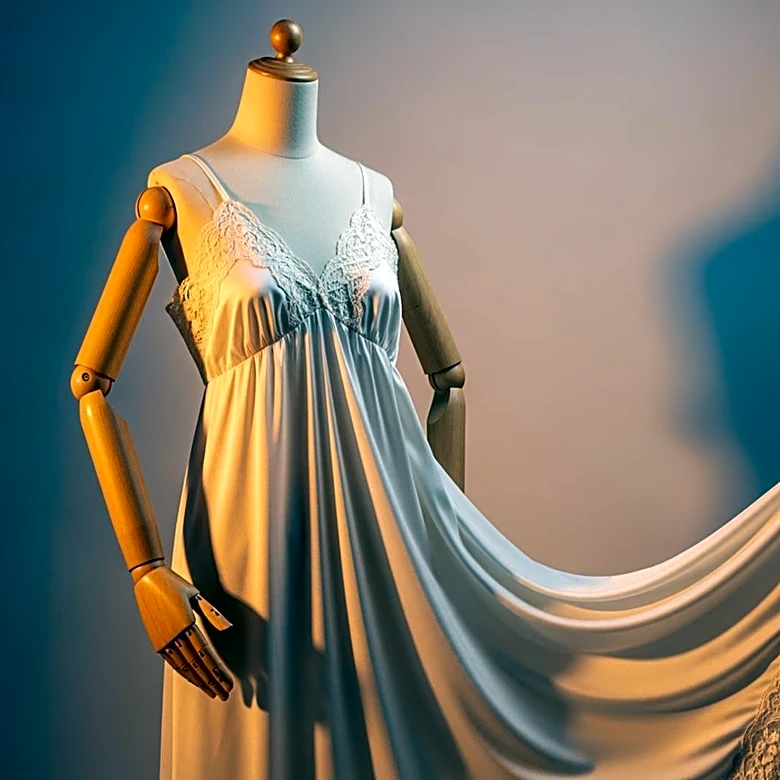
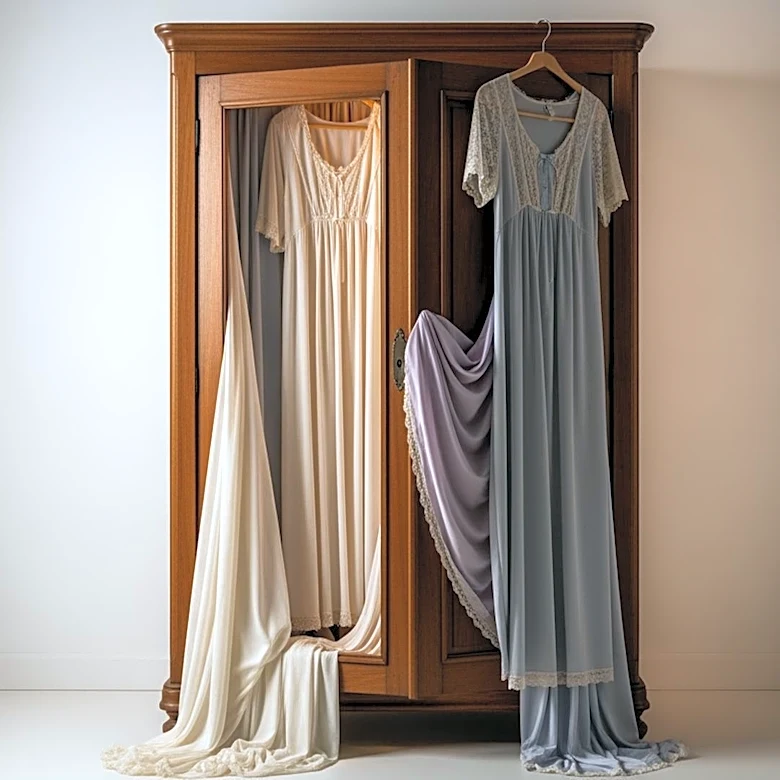
Throughout the 19th and early 20th centuries, sleepwear continued to evolve, with styles reflecting broader fashion trends. Nightgowns became more elaborate, featuring lace trimmings and embroidery. The introduction of pajamas in the late 19th century, inspired by traditional Indian attire, offered a new, stylish alternative to nightgowns, particularly for men.
Modern Sleepwear: A Blend of Comfort and Style
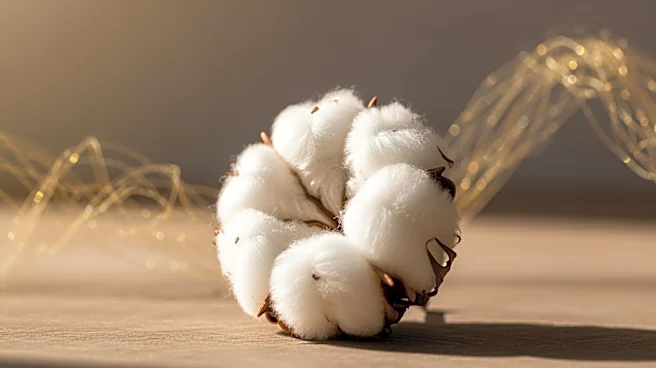
In the 21st century, sleepwear has become a diverse category, with styles ranging from traditional nightgowns to modern pajamas and loungewear. The focus on comfort remains, but fashion plays a significant role in design. Materials like cotton, silk, and satin are popular, and decorative elements such as lace and embroidery are common.
Today, sleepwear is not only worn for sleeping but also for lounging and even as daywear in some fashion-forward circles. The versatility and style of modern sleepwear reflect a broader cultural shift towards comfort and casualness in everyday attire.
The evolution of sleepwear from purely functional garments to fashionable attire highlights the dynamic interplay between comfort, practicality, and style. As cultural attitudes and fashion trends continue to evolve, sleepwear will likely keep adapting, blending tradition with modernity.