






George Willig, known as "The Human Fly" or "The Spiderman," made headlines in 1977 when he climbed the South Tower of the World Trade Center. This audacious feat not only cemented his reputation as a daring stuntman but also opened doors to various opportunities in the entertainment industry. Willig's climb was a testament to human ingenuity and courage, and it left a lasting impression on the public and media alike.
Planning and Execution
Willig's climb was not a spur-of-the-moment
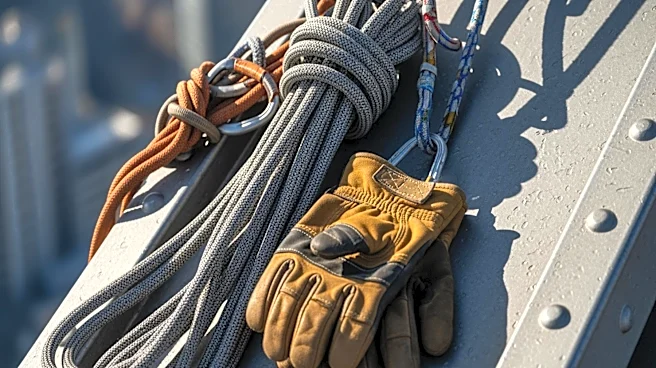
decision; it was the result of meticulous planning and preparation. A year before the climb, he visited the World Trade Center to take measurements for the equipment he would need. He designed special clamps that fit into the window washing tracks of the South Tower, which would lock into place when pulled down by his body weight and release when he decided to raise them. Willig tested his equipment several times at night to ensure everything was in working order.
On the morning of May 26, 1977, Willig began his climb at 6:30 a.m. Despite attempts by police officers to persuade him to abandon the stunt, Willig continued undeterred. He swung away from the officers, who were lowered in a window washing basket, and even signed a piece of paper for them, showing his confidence and determination. The climb took 3.5 hours, during which Willig faced challenges such as irregularities in the window washing tracks, which he overcame with a small hammer.
Public Reaction and Media Attention
Willig's climb captivated the public and media, drawing crowds and news cameras to the scene. The City of New York initially announced a hefty fine for the inconvenience caused by the stunt, but Mayor Abraham Beame reduced it to a symbolic $1.10, one cent for each of the skyscraper's 110 stories. This gesture highlighted the city's recognition of Willig's achievement and the public's fascination with his daring act.
The stunt led to appearances on popular television shows such as The Tonight Show Starring Johnny Carson, Good Morning America, and ABC's Wide World of Sports. Willig's newfound fame also landed him roles as a stuntman on TV series like The Six Million Dollar Man and Hollywood Beat, showcasing his versatility and appeal in the entertainment industry.
Legacy and Reflection
Years later, Willig expressed mixed feelings about his climb, especially after the 9/11 attacks that destroyed the World Trade Center. Initially, he regretted the attention his stunt might have brought to the towers, but he later affirmed his pride in the accomplishment. Willig's climb remains a symbol of human daring and creativity, inspiring future generations to push the boundaries of what is possible.