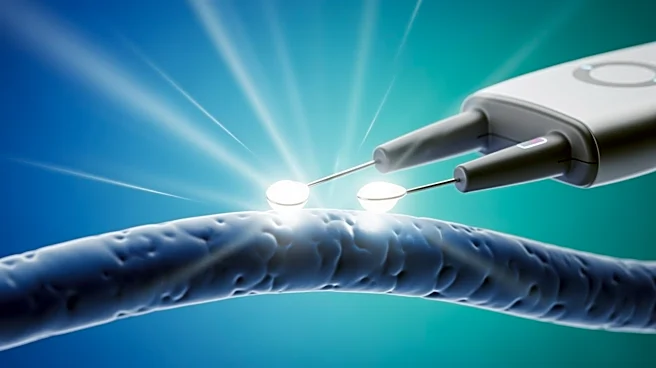







Vagus nerve stimulation (VNS) is a medical treatment that involves delivering electrical impulses to the vagus nerve. Initially developed to compress or stimulate the carotid sheath, VNS has evolved into a therapeutic approach for various conditions, including epilepsy, depression, and chronic pain. This article explores the medical applications and benefits of vagus nerve stimulation, highlighting its impact on patient health and well-being.
Epilepsy and Depression Treatment
Vagus
nerve stimulation is widely used as an adjunct treatment for drug-resistant epilepsy. In the United States, VNS is approved for patients aged four years and older with refractory focal onset seizures. The therapy is recommended after an adequate trial of anti-seizure medications and when epilepsy surgery is not an option. VNS has shown promise in reducing seizure frequency and improving quality of life for patients with epilepsy.
In addition to epilepsy, VNS is used to treat treatment-resistant major depressive disorder (TR-MDD). The therapy is FDA-approved for depression, offering hope to patients who have not responded to traditional treatments. While evidence on its efficacy is limited, ongoing research aims to better understand the potential benefits of VNS for depression. The therapy's ability to modulate neurotransmitter activity and improve mood underscores its significance in mental health treatment.
Chronic Pain and Heart Health
Vagus nerve stimulation has been explored as a treatment for chronic pain, although the mechanisms for relief are not yet fully understood. The therapy's impact on heart health is also noteworthy, with studies showing its value in treating heart failure. VNS has been shown to improve quality of life and increase recovery time in cardiac arrest patients when used alongside cardiopulmonary resuscitation.
Animal studies have demonstrated the capacity of VNS to reduce atrial fibrillation and hypertension, highlighting its potential in cardiovascular health. The therapy's ability to modulate inflammation and improve heart function further underscores its importance in medical treatment.
Future Directions and Research
As research continues to explore the potential of vagus nerve stimulation, new applications and benefits are being discovered. The therapy has shown promise in treating conditions such as stroke, Sjogren's fatigue, and inflammatory bowel disease. Additionally, VNS has been investigated for its impact on the gut-brain axis, with studies suggesting its role in reducing cytokine production and modulating gut permeability.
The future of vagus nerve stimulation is bright, with ongoing research aiming to uncover its full potential in medical treatment. As understanding of the therapy's mechanisms and benefits grows, VNS may become an increasingly important tool in managing a wide range of health conditions.