
Pantothenic acid, also known as vitamin B5, is an essential nutrient found in a variety of foods. It plays a crucial role in the body's metabolism and is necessary for the synthesis of coenzyme A. This
article explores the diverse natural sources of pantothenic acid, highlighting its presence in both animal and plant-based foods.
Animal-Based Sources
Pantothenic acid is abundantly found in animal products, making them a significant source of this vital nutrient. Foods such as meat, poultry, and dairy products are rich in pantothenic acid. These foods not only provide essential proteins and fats but also contribute to the intake of vitamin B5, which is crucial for energy production and the synthesis of fatty acids.
In addition to meat and dairy, fish is another excellent source of pantothenic acid. Fish meal, often used in animal feeds, contains significant amounts of this vitamin, ensuring that animals receive adequate nutrition. The presence of pantothenic acid in these animal products underscores the importance of a balanced diet that includes a variety of food sources to meet nutritional needs.
Plant-Based Sources
While animal products are rich in pantothenic acid, several plant-based foods also provide this essential nutrient. Whole grains, such as wheat and oats, are notable sources of pantothenic acid. These grains retain their nutrient content, including vitamin B5, when consumed in their whole form, making them a valuable part of a healthy diet.
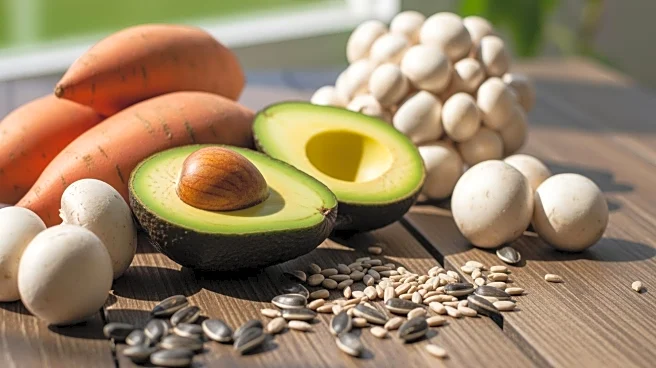
Certain fruits and vegetables are also good sources of pantothenic acid. Avocados, for instance, are not only rich in healthy fats but also provide a significant amount of vitamin B5. Similarly, mushrooms are another plant-based source of pantothenic acid, offering a unique flavor and nutritional benefits. Including a variety of fruits and vegetables in the diet can help ensure adequate intake of this essential vitamin.
Supplementation and Stability
In addition to natural food sources, pantothenic acid is available in supplement form, often as calcium pantothenate. This stable form of the vitamin is used to fortify foods and create dietary supplements, ensuring that individuals can meet their nutritional needs even if their diet lacks sufficient natural sources.
Calcium pantothenate is particularly valued for its stability, making it an effective way to supplement the diet with vitamin B5. This form of supplementation is especially important for individuals with dietary restrictions or those who may not consume enough pantothenic acid through natural food sources.
In conclusion, pantothenic acid is widely available in both animal and plant-based foods, as well as in supplement form. By incorporating a variety of these sources into the diet, individuals can ensure they receive adequate amounts of this essential nutrient, supporting overall health and well-being.