




Incense has played a vital role in religious rituals across different cultures, symbolizing purification, offering, and communication with the divine. Its use in religious practices is deeply rooted in history, with each culture attributing unique meanings and significance to its fragrant smoke. This article delves into the cultural significance of incense in religious practices, highlighting its symbolic meanings and diverse applications.
Incense in Ancient Religions
In ancient
Egypt, incense was integral to temple ceremonies and divine offerings. Resins like kyphi and frankincense were believed to carry prayers to the heavens and cleanse ritual spaces. Texts such as the Pyramid Texts and Book of the Dead refer to incense as a sacred offering linked to deities like Ra and Osiris. By the New Kingdom, incense was a state-managed commodity, burned daily in temples across Egypt.
In ancient Nubia, incense use can be traced back to the A-Group culture, where it was associated with kingship and ritual practices. Inscriptions at temples in Gebel Barkal and Naqa reference offerings of aromatic substances to deities, indicating the continuation of complex incense rituals.
Incense in Eastern Religions
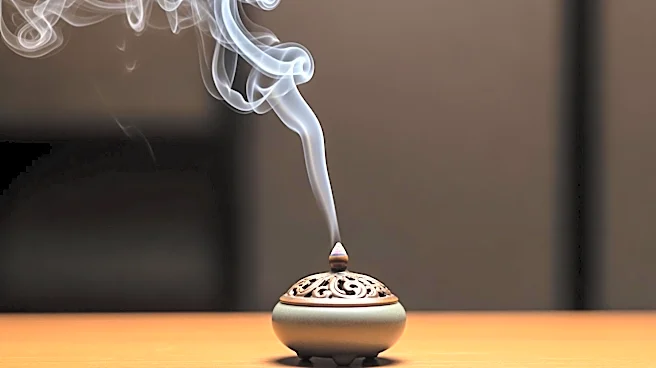
In Buddhism, Taoism, and Shinto, incense holds an invaluable role in ceremonies and rites. It is reputed to purify surroundings and bring forth an assembly of buddhas and bodhisattvas. In Chinese Taoist and Buddhist temples, thick coiled incense is used to scent inner spaces, while worshipers light and burn sticks of incense in small or large bundles.
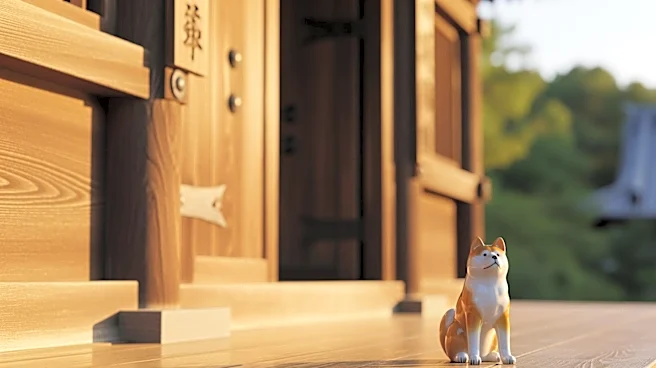
In Japan, incense is used in Shinto shrines and Buddhist temples, where sticks are placed horizontally into censers. The formula and scent of incense sticks vary widely across temples, reflecting regional preferences and traditions.
Incense in Christianity and Other Religions
The use of incense in Christianity is inspired by passages in the Bible, symbolizing the prayer of the faithful rising to heaven. Incense is employed in worship by Christians since antiquity, particularly in Roman Catholic, Orthodox, and Anglican churches. A thurible is used to contain incense, which is swung to distribute the smoke during services.
In Hinduism, incense is offered to deities as part of daily rituals, symbolizing the human virtue of sacrificing oneself for society. Incense is also used in Islamic rituals, such as purifying the Ka'aba in Makkah.
Incense continues to be a powerful symbol in religious practices worldwide, representing a bridge between the earthly and the divine, and enriching spiritual experiences with its fragrant presence.