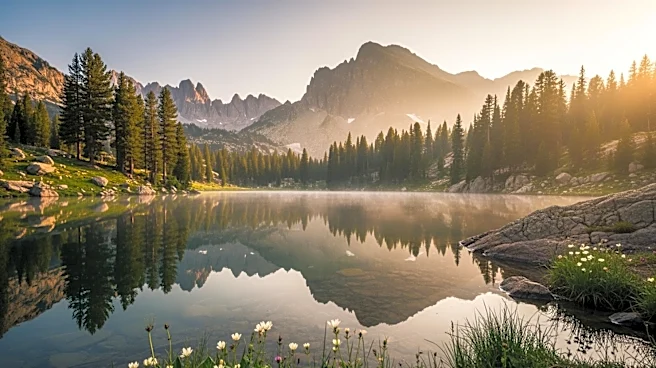








Great Basin National Park, located in east-central Nevada, is a treasure trove of natural wonders. Established in 1986, the park spans 77,180 acres and is renowned for its ancient bristlecone pines, Lehman Caves, and some of the darkest night skies in the contiguous United States. This article delves into the park's unique ecological features and the diverse flora and fauna that call it home.
Ancient Trees and Unique Flora
One of the most remarkable features of Great Basin National
Park is its groves of ancient bristlecone pines. These trees are the oldest known living non-clonal organisms, with some specimens dating back thousands of years. The park's diverse plant life includes eleven species of conifer trees and over 800 species of plants. Visitors can find sagebrush, saltbush, and Utah juniper at lower elevations, while higher altitudes host mountain meadows and large Ponderosa pines.
The park is also home to several endemic plant species, such as the Mt. Wheeler sandwort and Holgrem's buckwheat. These plants have adapted to the park's unique environment, thriving in the varied elevations and climates found within its boundaries. The presence of these rare species highlights the ecological significance of Great Basin National Park.
Diverse Wildlife
Great Basin National Park is a haven for wildlife, with 61 species of mammals, 18 species of reptiles, 238 species of birds, and various amphibians and fish. The park's diverse habitats support a wide range of animals, from jackrabbits and pygmy rabbits in the low-elevation sagebrush desert to cougars and bighorn sheep in the rugged mountain areas.
The park's waterways are home to the Bonneville cutthroat trout, the only fish native to the area. This species has adapted to the changing climatic conditions over time, becoming isolated in the mountain waters. The park's birdlife is equally diverse, with species such as bald eagles, tundra swans, and golden eagles making their home in the park.
Geological Marvels
The geological features of Great Basin National Park are as impressive as its biological diversity. The park is part of the Basin and Range Province, characterized by its dry and mountainous terrain. The Lehman Caves, formed around 550 million years ago, are a highlight for visitors. These caves are made of marble and limestone, creating stunning formations that attract tourists from around the world.
Wheeler Peak, the park's highest point, stands at 13,063 feet and is home to the Wheeler Peak Glacier. This glacier, along with the park's other geological features, offers a glimpse into the Earth's ancient past. The park's unique combination of natural wonders makes it a must-visit destination for nature enthusiasts and adventurers alike.