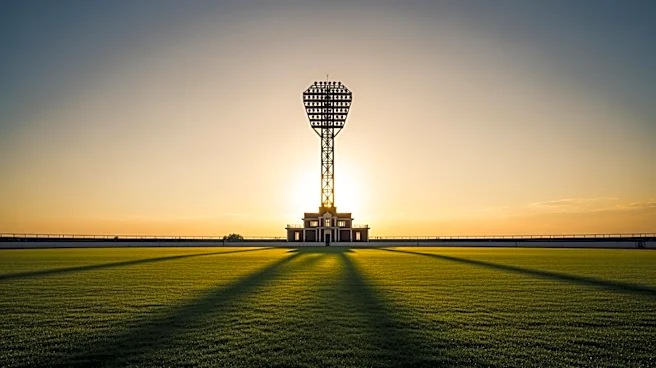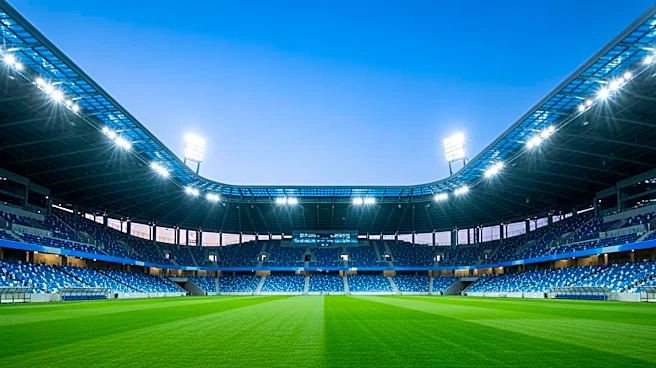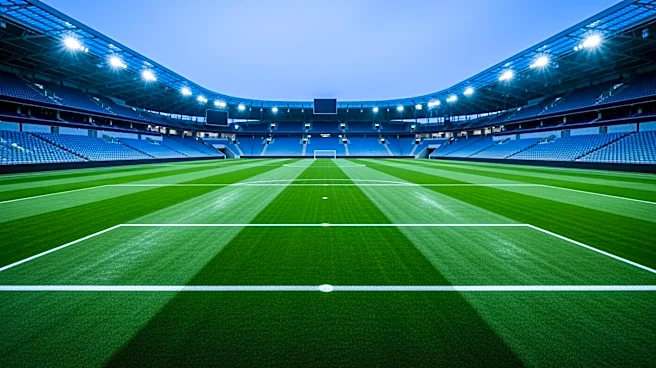



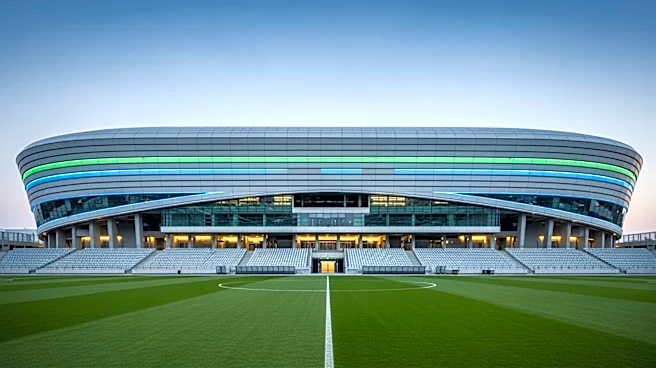

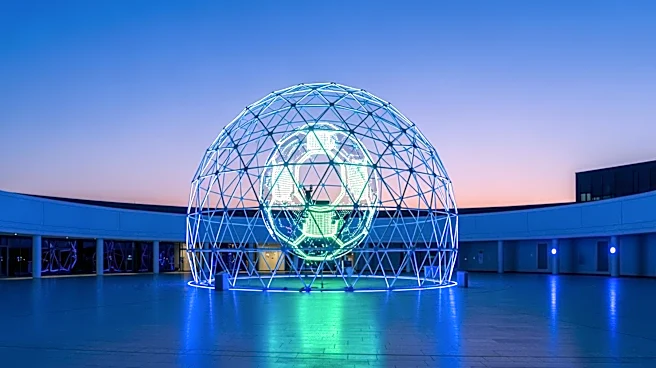
Saitama Stadium 2002 is not only the largest football-specific stadium in Japan but also a central hub for the country's football activities. Located in Midori-ku, Saitama, the stadium has been instrumental in hosting major football events, including the 2002 FIFA World Cup and the 2020 Summer Olympics. This article explores the stadium's role in Japanese football and its significance as a premier sports venue.
Home to the Urawa Red Diamonds
Saitama Stadium 2002 serves as the home
ground for the Urawa Red Diamonds, a prominent club in the J1 League, Japan's top professional football league. The stadium's large capacity and modern facilities make it an ideal venue for hosting domestic league matches, attracting thousands of fans to support their team. The Urawa Red Diamonds have a strong following, and the stadium's association with the club has helped to boost its profile and popularity.
The stadium's role as a home ground for the Urawa Red Diamonds has also contributed to the growth of the J1 League. By providing a world-class venue for matches, Saitama Stadium 2002 has helped to elevate the standard of Japanese football and attract more fans to the sport. The stadium's success in hosting domestic matches has reinforced its status as a key venue for Japanese football.
A Venue for International Matches
In addition to domestic league matches, Saitama Stadium 2002 is a regular host for international football events. It is the home stadium for the Japan national football team in almost every FIFA World Cup qualifying match. The stadium's ability to accommodate large crowds and provide a top-tier football experience makes it an ideal venue for these high-stakes matches.
The stadium's international reputation was cemented during the 2002 FIFA World Cup when it hosted four matches, including Japan's first match against Belgium. This exposure helped to establish Saitama Stadium 2002 as a premier venue for international football, attracting teams and fans from around the world. The stadium's continued use for international matches highlights its importance in promoting Japanese football on a global stage.
Continuing Legacy
Saitama Stadium 2002's legacy extends beyond football, as it has also hosted other major sporting events, such as the semi-finals of the football tournament at the 2020 Summer Olympics. Its ongoing relevance as a major sports venue underscores the impact of the 2002 FIFA World Cup in shaping Japan's sporting landscape.
The stadium's role as a hub for Japanese football continues to grow, with its modern facilities and strategic location making it a key venue for both domestic and international events. Saitama Stadium 2002 remains a symbol of Japan's commitment to developing its football infrastructure and promoting the sport at all levels.