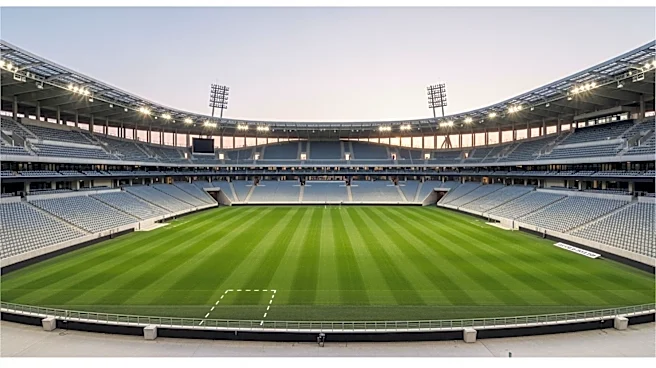

White City Stadium in London was more than just a sports venue; it was a dynamic hub for a wide range of sports and entertainment events. From its inception for the 1908 Summer Olympics to its later years as a venue for greyhound racing and rodeos, White City Stadium was a place where diverse activities came to life. This article explores the variety of events that made the stadium a unique and vibrant location.
Olympic Beginnings and Athletic Events
The stadium's journey began with the
1908 Summer Olympics, where it served as the main venue. It was here that the marathon distance of 42.195 km was established, a standard that continues to this day. After the Olympics, the stadium continued to host athletic events until 1914, including the Amateur Athletic Association Championships from 1932 to 1970.
These events showcased the stadium's capacity to host large-scale athletic competitions, drawing athletes and spectators from around the world. The stadium's design and facilities made it an ideal location for such prestigious events, cementing its reputation as a premier sports venue.
Greyhound Racing and Football
In 1927, White City Stadium was converted into a greyhound racing track, marking a new chapter in its history. Greyhound racing became a major attraction, drawing large crowds and adding to the stadium's diverse offerings. The stadium also served as a temporary home for Queens Park Rangers football club, further expanding its role in the sports community.
The combination of greyhound racing and football highlighted the stadium's versatility and its ability to cater to different sports audiences. This adaptability was a key factor in its continued popularity and success over the years.
Rodeos and More
White City Stadium was not limited to traditional sports. In 1934, it hosted the World's Championship Rodeo, featuring top cowboys and cowgirls from North America. This event was a testament to the stadium's ability to host unique and varied entertainment, attracting diverse audiences and adding to its cultural significance.
The rodeo, along with other events like motorcycle speedway, demonstrated the stadium's role as a multifaceted venue. It was a place where different forms of entertainment could thrive, making it a beloved location for both sports and cultural events.
White City Stadium's legacy as a hub for diverse sports and entertainment is a testament to its historical importance. Its ability to host a wide range of events made it a unique and cherished part of London's cultural landscape.