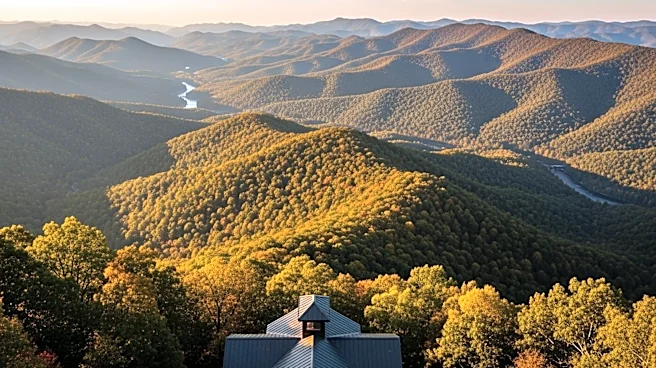







West Virginia, a state rich in natural beauty and cultural heritage, is located in the Appalachian region of the United States. Known for its mountainous terrain and vibrant communities, West Virginia offers a unique blend of geographical features and cultural identity. This article explores the state's geography and the cultural elements that define it.
The Mountainous Landscape
West Virginia is renowned for its rugged, mountainous landscape. As a landlocked state, it is bordered
by Pennsylvania and Maryland to the northeast, Virginia to the southeast, Kentucky to the southwest, and Ohio to the northwest. The state's topography is dominated by the Appalachian Mountains, which provide a stunning backdrop and influence the climate and lifestyle of its residents.
The state's northern panhandle extends into a tristate area with Pennsylvania and Ohio, creating a unique geographical feature. This region includes cities like Wheeling, Weirton, and Morgantown, which are closely linked to the Pittsburgh metropolitan area. The eastern panhandle, home to Martinsburg and Harpers Ferry, is part of the Washington metropolitan area, highlighting West Virginia's strategic location.
Cultural Identity and Regional Influence
West Virginia's cultural identity is deeply rooted in its Appalachian heritage. The state is often included in several U.S. geographical regions, such as the Mid-Atlantic, the Upland South, and the Southeastern United States. This diverse classification reflects the state's varied cultural influences and historical connections.
The Appalachian Regional Commission serves the entire state, emphasizing its role within the broader Appalachian region. This connection to Appalachia is a significant aspect of West Virginia's cultural identity, influencing everything from music and art to local traditions and community values.
A State of Contrasts
West Virginia is a state of contrasts, where natural beauty meets industrial history. The state's economy has historically been tied to industries like coal mining and timber, which have shaped its communities and landscapes. Despite economic challenges, West Virginians take pride in their resilience and strong sense of community.
The state's capital, Charleston, is the largest city, offering a blend of urban amenities and small-town charm. With a population of approximately 49,055, Charleston serves as a cultural and economic hub for the state. The city's vibrant arts scene, historical landmarks, and outdoor recreational opportunities make it a focal point for residents and visitors alike.
West Virginia's geographical and cultural diversity make it a fascinating state to explore. From its majestic mountains to its rich cultural heritage, West Virginia offers a unique glimpse into the heart of Appalachia.