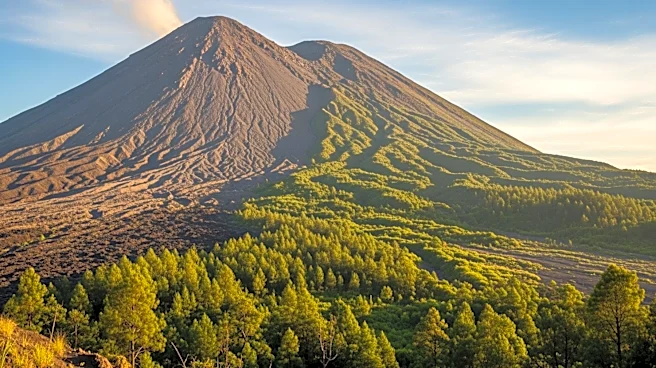








The eruption of Mount St. Helens in 1980 was not only a geological event but also an ecological one, with profound effects on the surrounding environment. The eruption drastically altered the landscape, affecting both terrestrial and aquatic ecosystems. This article explores the ecological impact of the eruption and the subsequent recovery of the area.
Immediate Effects on Terrestrial Ecosystems
The eruption of Mount St. Helens had a devastating impact on terrestrial ecosystems. The lateral
blast flattened forests over an area of 230 square miles, destroying vegetation and wildlife habitats. The pyroclastic flows and ash deposits buried the landscape, creating a barren wasteland devoid of life.
The immediate aftermath saw the death of nearly 7,000 big-game animals, including deer, elk, and bear. The destruction of vegetation and the deposition of ash disrupted food chains, leading to a significant decline in wildlife populations. The loss of habitat and food sources forced many surviving animals to migrate to other areas.
Aquatic Ecosystems and Recovery
In contrast to the terrestrial devastation, aquatic ecosystems in the area experienced a different fate. The influx of volcanic ash into lakes and rivers initially disrupted aquatic life, but it also provided nutrients that stimulated rapid growth in some species. Within six years of the eruption, most lakes in the area had returned to their normal state, with aquatic life flourishing.
The recovery of aquatic ecosystems was aided by the rapid colonization of algae and other microorganisms, which formed the base of the food web. These organisms provided a food source for higher trophic levels, allowing fish and other aquatic animals to thrive. The resilience of aquatic ecosystems highlighted the complex interactions between volcanic activity and ecological processes.
Long-Term Ecological Recovery
The long-term recovery of the Mount St. Helens area has been a subject of extensive study. The concept of biological legacies, or the remnants of pre-eruption life, has been crucial in understanding the recovery process. Surviving plants, seeds, and organic matter played a significant role in reestablishing vegetation and supporting wildlife.
Over the decades, the landscape has gradually transformed, with new plant and animal communities emerging. The eruption created a unique opportunity for scientists to study ecological succession and the resilience of ecosystems. Today, the area around Mount St. Helens serves as a living laboratory, providing valuable insights into the processes of ecological recovery and adaptation.
The eruption of Mount St. Helens remains a powerful reminder of nature's ability to both destroy and renew. The ongoing recovery of the area underscores the resilience of life and the intricate connections between geological events and ecological systems.