
Molecular gastronomy is a fascinating field that merges the art of cooking with the precision of science. It focuses on understanding the physical and chemical transformations that occur during cooking.
This approach allows chefs to create innovative dishes that challenge traditional culinary boundaries. By examining the molecular structure and properties of ingredients, molecular gastronomy offers a new perspective on food preparation and appreciation.
The Chemistry of Cooking
At the heart of molecular gastronomy is the study of chemistry. This field examines the molecular structure of ingredients and how they change during cooking. For example, the process of spherification involves shaping liquids into spheres, a technique that relies on understanding the chemical interactions between ingredients. By manipulating these interactions, chefs can create unique textures and flavors that are not possible with traditional cooking methods.
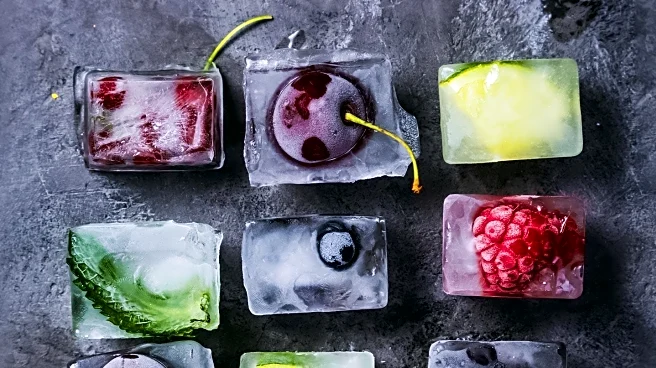
Another example is the use of liquid nitrogen in desserts. This technique rapidly freezes ingredients, creating a unique texture and presentation. Understanding the chemical properties of liquid nitrogen and its effects on food is essential for safely and effectively using this technique in the kitchen.
Tools and Techniques
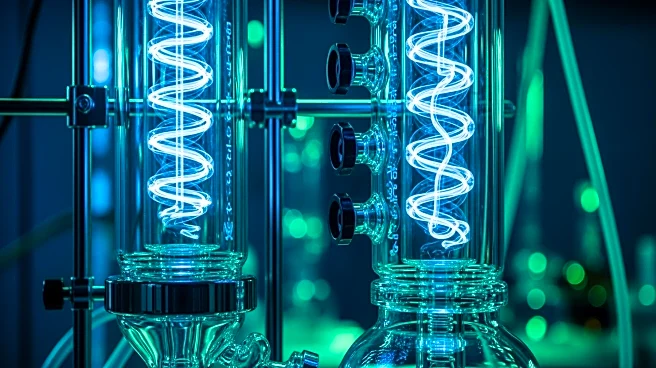
Molecular gastronomy employs a variety of tools and techniques that are often borrowed from scientific laboratories. Equipment such as rotary evaporators and vacuum sealers are used to create new flavors and textures. These tools allow chefs to experiment with different cooking methods and ingredients, leading to innovative dishes that push the boundaries of traditional cuisine.
One popular technique is the use of transglutaminase, an enzyme that binds proteins together. This allows chefs to create dishes with unique textures, such as Adam Melonas's "Octopop," which combines octopus with a saffron gel. By understanding the science behind these techniques, chefs can create dishes that are both visually stunning and delicious.
The Role of Sensory Perception
Molecular gastronomy also explores how our senses perceive food. The release of aromas and the perception of taste and flavor are key areas of study. By understanding how different cooking methods affect these sensory experiences, chefs can create dishes that are not only flavorful but also engage all the senses.
The environment, presentation, and even the mood of the diner can influence the enjoyment of a meal. Molecular gastronomy takes these factors into account, allowing chefs to create a complete sensory experience. This holistic approach to cooking not only enhances the dining experience but also highlights the intricate relationship between science and cuisine.