
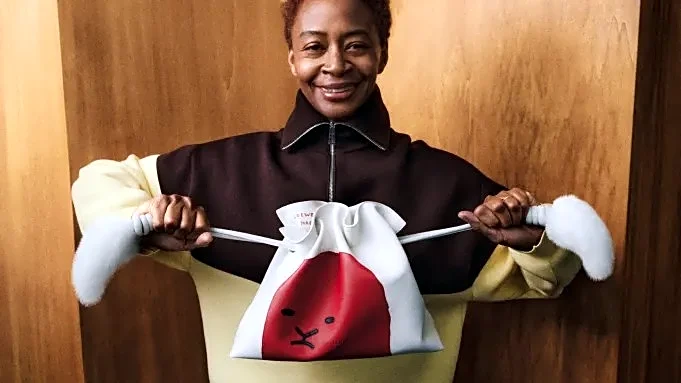

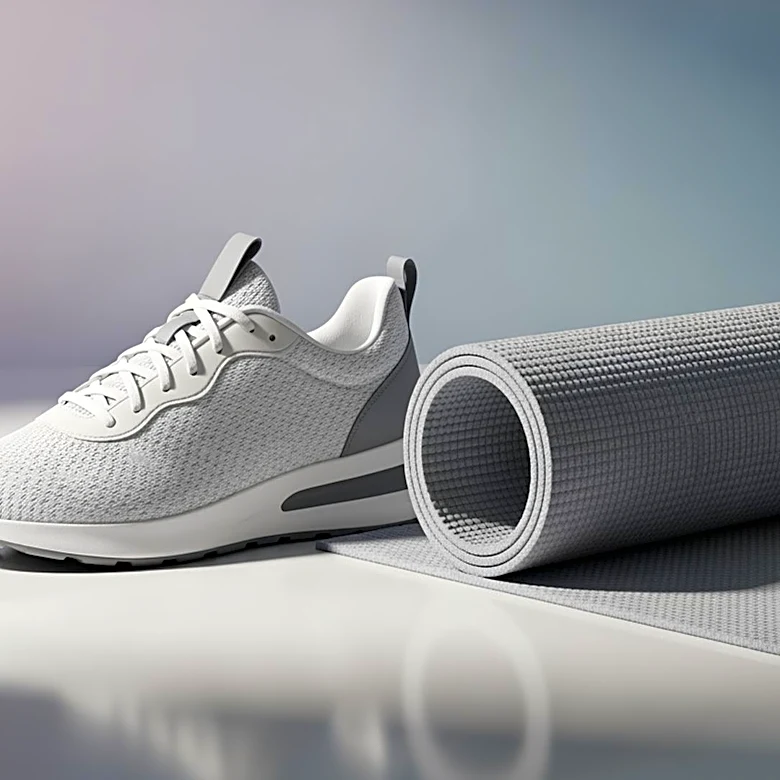
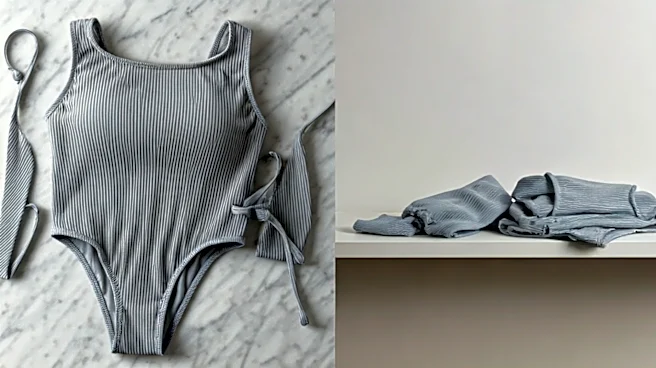

Sportswear, once solely the domain of athletes, has undergone a remarkable transformation over the decades. Originally designed for functionality and performance, sportswear has evolved into a major fashion trend known as athleisure. This shift reflects broader changes in society, including the increasing importance of comfort and practicality in everyday clothing. This article explores the historical development of sportswear, tracing its journey
from functional athletic apparel to a globally recognized fashion genre.
Early Beginnings and Functional Roots
The origins of sportswear can be traced back to the late 19th and early 20th centuries when clothing was designed specifically for sports activities. Early sportswear was primarily about functionality, with garments tailored to meet the needs of athletes. For instance, British designer John Redfern was among the first to create tailored garments for women participating in sports like tennis and yachting. These early designs prioritized mobility and comfort, allowing athletes to perform at their best.
As the 20th century progressed, sportswear began to gain popularity beyond the athletic field. The 1920s saw the emergence of sportswear as a fashion statement, with designers like Coco Chanel incorporating sporty elements into their collections. Chanel's relaxed jersey suits and dresses became synonymous with the "sports type" of clothing, blurring the lines between athletic and everyday wear. This period marked the beginning of sportswear's transition from purely functional to fashionable.
The Rise of American Sportswear
The mid-20th century witnessed the rise of American sportswear as a distinct fashion category. Unlike European haute couture, which often focused on formal and elaborate designs, American sportswear emphasized practicality and versatility. Designers like Claire McCardell and Emily Wilkens became pioneers of this movement, creating garments that were easy to wear and care for. McCardell, in particular, is credited with popularizing the concept of mix-and-match separates, allowing women to create multiple outfits from a few key pieces.
The establishment of a five-day workweek and increased leisure time in America further fueled the demand for sportswear. As people sought clothing that could transition seamlessly from work to leisure activities, sportswear became the ideal choice. This era also saw the introduction of innovative fabrics and designs that catered to the needs of the modern, active lifestyle.
Athleisure: The Modern Sportswear Phenomenon
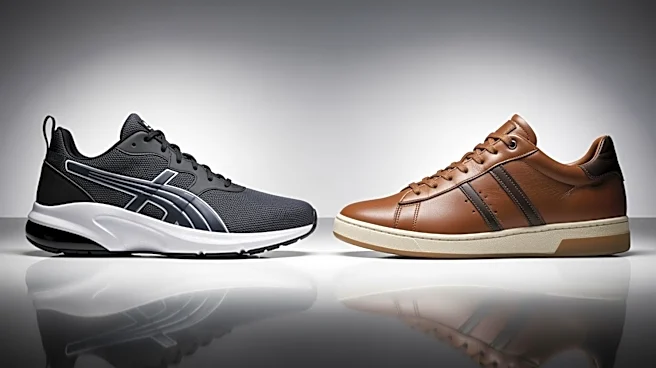
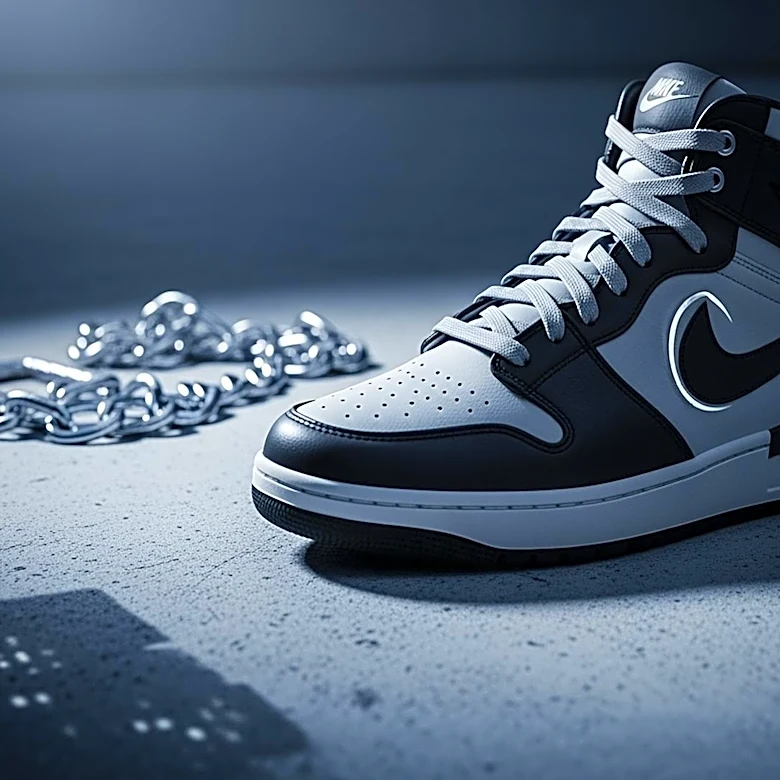
In recent years, sportswear has evolved into the athleisure trend, characterized by the blending of athletic and leisurewear. Athleisure has become a dominant force in the fashion industry, with items like yoga pants, hoodies, and sneakers becoming wardrobe staples for many. This trend reflects a broader cultural shift towards prioritizing comfort and practicality in everyday clothing.
The popularity of athleisure can be attributed to advancements in textile technology, which have made modern sportswear more durable, breathable, and stylish. As a result, sportswear is no longer confined to the gym or sports field but is worn in a variety of settings, from casual outings to the workplace. This evolution highlights the enduring appeal of sportswear and its ability to adapt to changing fashion trends and societal needs.