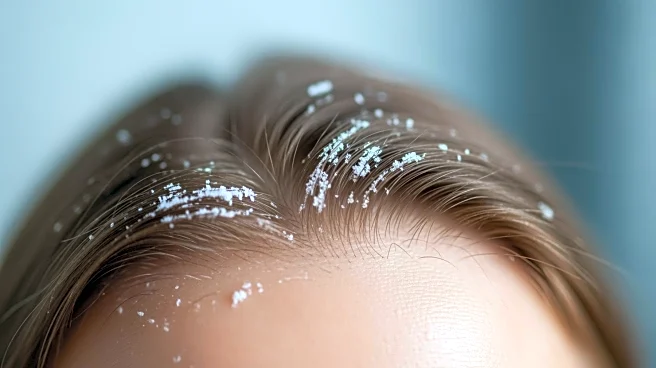




Dandruff is a common scalp condition that affects many people worldwide. It is characterized by flaking and sometimes mild itchiness of the scalp. While it is not a serious health issue, dandruff can lead to social or self-esteem problems due to its visible nature. Understanding the causes and symptoms of dandruff can help in managing this condition effectively.
Causes of Dandruff
The exact cause of dandruff is not entirely clear, but it is believed to involve a combination
of genetic and environmental factors. One of the primary factors is the excessive growth of skin cells on the scalp. Normally, skin cells mature and are shed over a period of about a month. However, in individuals with dandruff, this process is accelerated, leading to the shedding of skin cells in large, oily clumps that appear as white or grayish flakes.
Another significant factor in the development of dandruff is the presence of the Malassezia fungus. This fungus is naturally found on the skin of most people, but in those with dandruff, its levels are higher than normal. Malassezia metabolizes the oils on the scalp, producing oleic acid, which can irritate the skin and lead to increased cell turnover and flaking.
Symptoms of Dandruff
The most common symptoms of dandruff include an itchy scalp and visible flakes of skin. These flakes can be seen on the scalp, hair, and even on clothing. In some cases, individuals may also experience red and greasy patches of skin, along with a tingling sensation on the scalp.
Dandruff is often confused with a dry scalp, but the two conditions are different. A dry scalp is simply a lack of moisture, while dandruff involves the overproduction of skin cells. It is important to distinguish between the two, as their treatments differ.
Dandruff and Its Impact
While dandruff is not caused by poor hygiene, it can still have a significant impact on a person's self-esteem and social interactions. The visible flakes and itchiness can be embarrassing and may lead to a reluctance to engage in social activities.
In some cases, dandruff can also be associated with hair loss. This is primarily due to the inflammatory response triggered by the Malassezia fungus. Studies have shown a correlation between the presence of this fungus and increased hair shedding, although the exact mechanism is not fully understood.
Understanding the causes and symptoms of dandruff is the first step in managing this common condition. By recognizing the signs and seeking appropriate treatment, individuals can reduce the impact of dandruff on their daily lives.