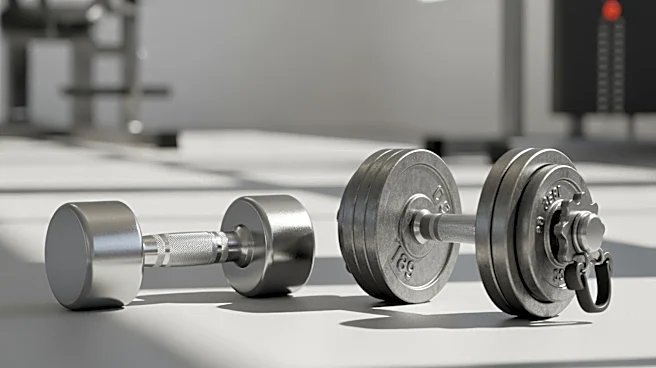

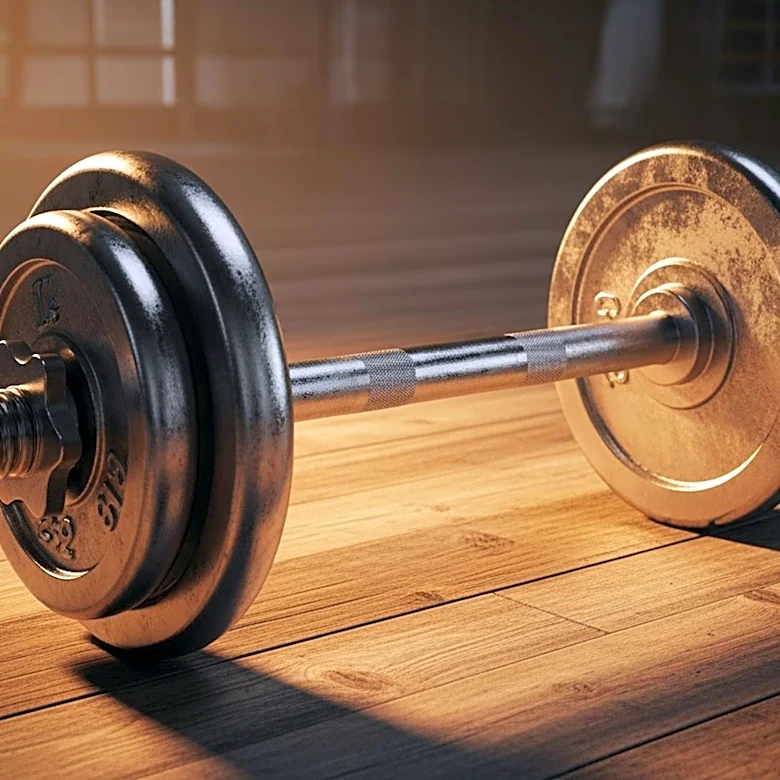



Weight plates are a fundamental component of strength training, used to add resistance to exercises performed with barbells and dumbbells. Over time, these plates have evolved in design and material to meet the needs of various training styles and preferences. This article delves into the development of weight plates, highlighting the differences between standard and Olympic plates, and their role in modern fitness.
The Basics of Weight Plates
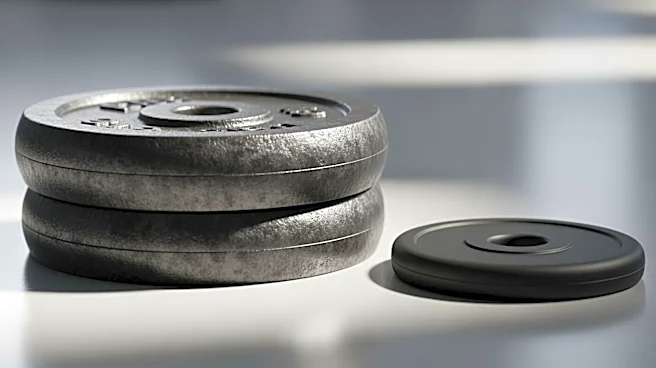
Weight plates are flat, heavy objects
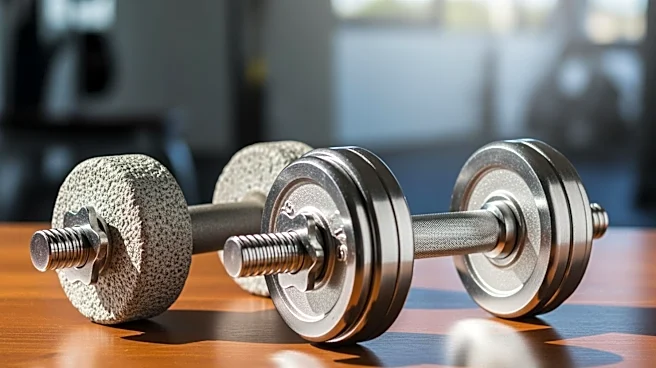
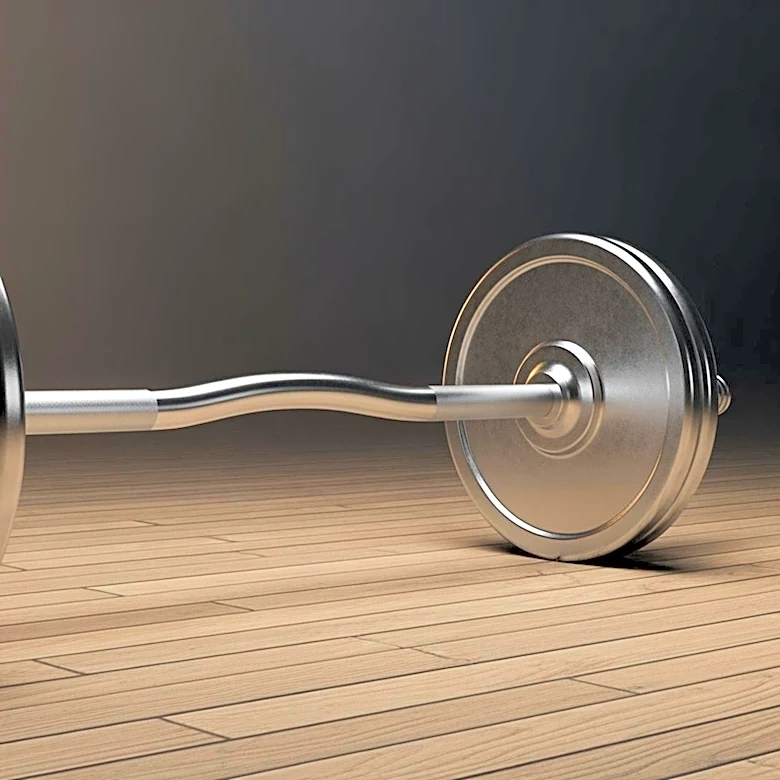
that are typically made of cast iron or other durable materials. They are designed to be added to barbells or dumbbells to increase the weight being lifted. The primary function of weight plates is to provide adjustable resistance, allowing lifters to customize their workouts according to their strength levels and training goals. The plates are usually round and have a central hole that fits onto the barbell or dumbbell.
There are two main types of weight plates: standard and Olympic. Standard plates are often used in home gyms and are characterized by a smaller diameter hole, typically around one inch. These plates are generally more affordable and easier to store, making them a popular choice for casual lifters. On the other hand, Olympic plates have a larger hole diameter of about two inches, designed to fit Olympic barbells used in competitive weightlifting and powerlifting.
Olympic Plates and Their Specifications
Olympic weight plates are specifically designed for use in competitive settings, such as the Olympics, World Championships, and other high-level competitions. These plates are made to strict specifications to ensure consistency and fairness in competition. They are often coated in rubber, known as bumper plates, to allow for safe dropping from overhead heights without damaging the floor or the plates themselves.
The International Weightlifting Federation (IWF) has established a color-coding system for Olympic plates to indicate their weight. For example, red plates weigh 25 kilograms, blue plates weigh 20 kilograms, and yellow plates weigh 15 kilograms. This system helps lifters quickly identify the weight of the plates during competitions. Olympic plates are also designed to withstand the rigorous demands of competitive lifting, with features like smooth rotating sleeves and a specific amount of "whip" or flexibility in the bar.
The Role of Weight Plates in Modern Fitness
In addition to their use in competitive weightlifting, weight plates are a staple in gyms worldwide for general strength training. They are used in a variety of exercises, including squats, deadlifts, and bench presses, to build muscle and increase strength. The versatility of weight plates allows them to be used in both free weight and machine-based exercises, making them an essential tool for fitness enthusiasts of all levels.
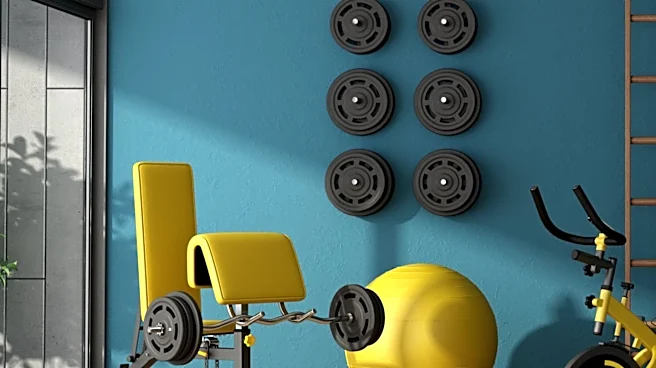
Weight plates have also become more accessible to the general public, with many home gym setups incorporating them for personal use. The availability of different types of plates, such as tri-grip plates and vinyl-coated plates, provides options for those looking to customize their equipment to suit their preferences and budget. As fitness trends continue to evolve, weight plates remain a constant, providing a reliable means of resistance for strength training.