



The 1980 eruption of Mount St. Helens was a transformative event, not only for the landscape of Washington State but also for the scientific community and the cultural consciousness of the United States. This catastrophic eruption reshaped the environment, influenced ecological research, and left a lasting cultural legacy that continues to resonate today.
Environmental Transformation
The eruption of Mount St. Helens dramatically altered the surrounding environment. The massive
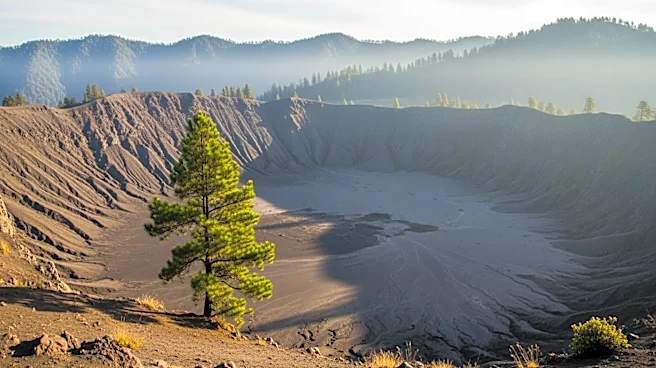
lateral blast and subsequent pyroclastic flows devastated hundreds of square miles of forest, leaving a barren landscape in their wake. The eruption reduced the height of the mountain by 1,300 feet and created a crater over a mile wide, fundamentally changing the topography of the region.
In the immediate aftermath, the area around Mount St. Helens was a wasteland, with ash and debris covering the ground and the air filled with volcanic particles. The eruption also caused the melting of snow and ice on the mountain, leading to lahars—volcanic mudflows—that traveled down river valleys, destroying bridges and infrastructure.
Ecological Research and Recovery
Despite the initial devastation, the eruption of Mount St. Helens provided a unique opportunity for ecological research. Scientists were able to study the processes of ecological succession and recovery in a landscape that had been completely reset. The area became a living laboratory, allowing researchers to observe how life returns to a barren environment.
Over time, the landscape began to recover. Pioneer species, such as lupines and fireweed, were among the first to colonize the ash-covered ground, paving the way for other plants and animals to return. The recovery of the ecosystem at Mount St. Helens has provided valuable insights into the resilience of nature and the processes that drive ecological succession.
Cultural and Scientific Legacy
The eruption of Mount St. Helens also had a significant cultural impact. It captured the attention of the nation and the world, highlighting the power and unpredictability of nature. The disaster prompted a reevaluation of volcanic monitoring and emergency preparedness, leading to improvements in the way scientists study and respond to volcanic activity.
The eruption also left a lasting legacy in the form of the Mount St. Helens National Volcanic Monument, established in 1982. This protected area serves as a site for scientific research, education, and recreation, allowing visitors to learn about the eruption and its aftermath. The monument stands as a testament to the power of nature and the importance of preserving and studying our natural world.
The 1980 eruption of Mount St. Helens was a pivotal event that reshaped the environment, advanced scientific understanding, and left a lasting cultural legacy. Its impact continues to be felt today, as researchers and visitors alike explore the transformed landscape and reflect on the lessons learned from this powerful natural disaster.