




Self-myofascial release (SMR) is an alternative therapy that has gained attention for its potential benefits in treating muscle pain and immobility. This technique involves using tools like foam rollers to relax contracted muscles, improve circulation, and stimulate the stretch reflex in muscles. While proponents claim various benefits, the scientific community continues to study its effectiveness and long-term impact on performance.
Understanding Self-Myofascial Release
Self-myofascial
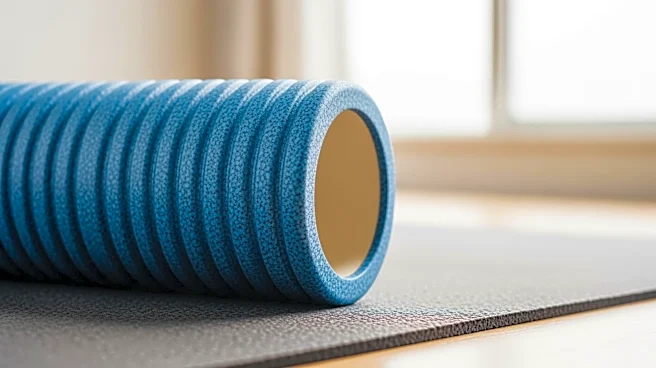
release is based on the idea that fascia, a type of connective tissue, can become restricted due to various factors such as overuse, trauma, or inactivity. These restrictions can lead to pain and muscle tension. SMR aims to alleviate these issues by applying pressure to the fascia and muscles, often using foam rollers or roller massagers. This pressure is believed to help relax the muscles, improve blood flow, and enhance lymphatic circulation.
The technique is often used before or after exercise to reduce soreness and improve flexibility. By decreasing soreness associated with delayed onset muscle soreness (DOMS), SMR may indirectly enhance performance by allowing individuals to exercise longer and harder. However, the direct effect of SMR on performance remains uncertain, and further research is needed to determine the optimal timing and duration of its use.
The Debate on Effectiveness
Despite its popularity, the effectiveness of self-myofascial release is a topic of debate. Reviews published in 2013 and 2015 have evaluated the evidence for SMR's efficacy, finding mixed results due to the varying quality of clinical trials. The American Cancer Society has stated that there is little scientific evidence to support claims that SMR relieves pain or restores flexibility, cautioning against using it as a substitute for conventional cancer treatment.
The UK Advertising Standards Authority has also challenged claims made by some SMR practitioners, ruling that the evidence presented was insufficient to substantiate their effectiveness claims. This highlights the need for more robust scientific evidence to support the clinical use of SMR.
Historical Context and Development
The concept of myofascial release, including self-myofascial release, has roots in osteopathy, an alternative medicine practice developed by Andrew Taylor Still in the 19th century. The term "myofascial release" was coined in the 1960s by Robert Ward, an osteopath who studied with Ida Rolf, the originator of Rolfing. John F. Barnes further popularized the technique through seminars, teaching it to therapists and massage practitioners.
While SMR continues to be a popular method for managing muscle pain and improving flexibility, its long-term benefits and effectiveness remain subjects of ongoing research and debate. As the scientific community seeks more evidence, individuals interested in SMR should approach it with an understanding of its current limitations and potential benefits.