


Budgerigars, or budgies, are not only known for their charming personalities and ability to mimic human speech but also for their striking color variations. These variations are the result of complex genetic mutations that have fascinated breeders and bird enthusiasts alike. This article explores the science behind budgerigar color genetics, the different mutations, and how these have contributed to the diversity seen in pet budgerigars today.
The Basics of Budgerigar Color Genetics
The
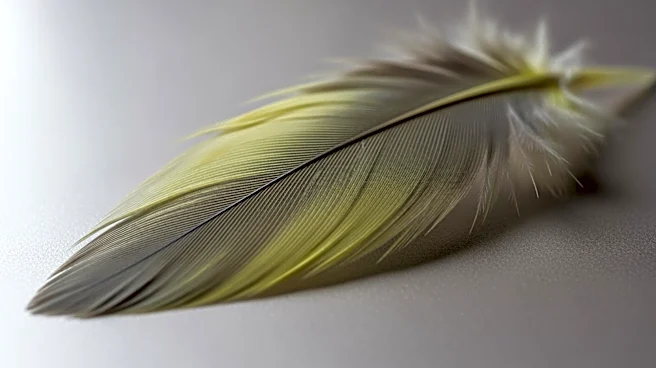
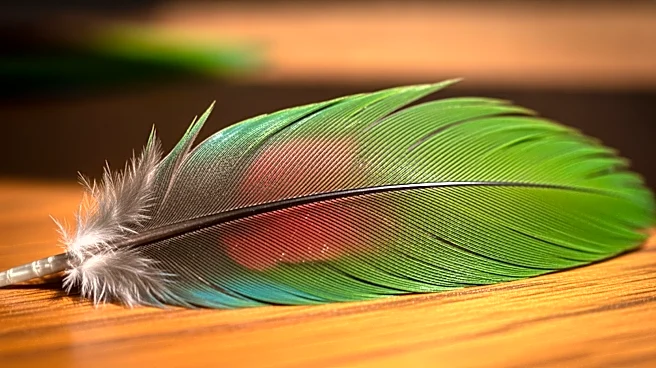
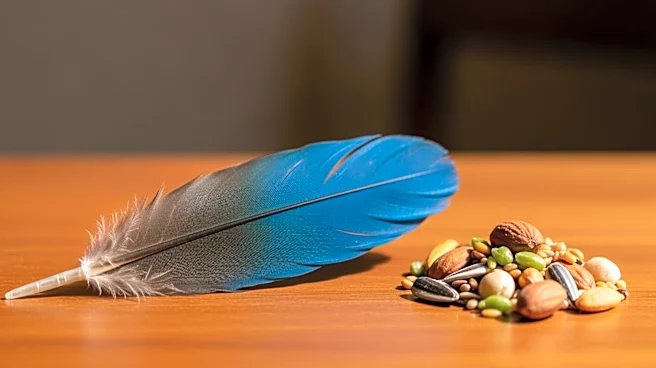
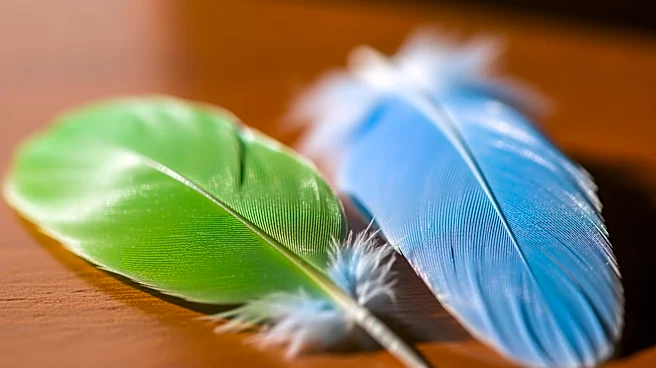
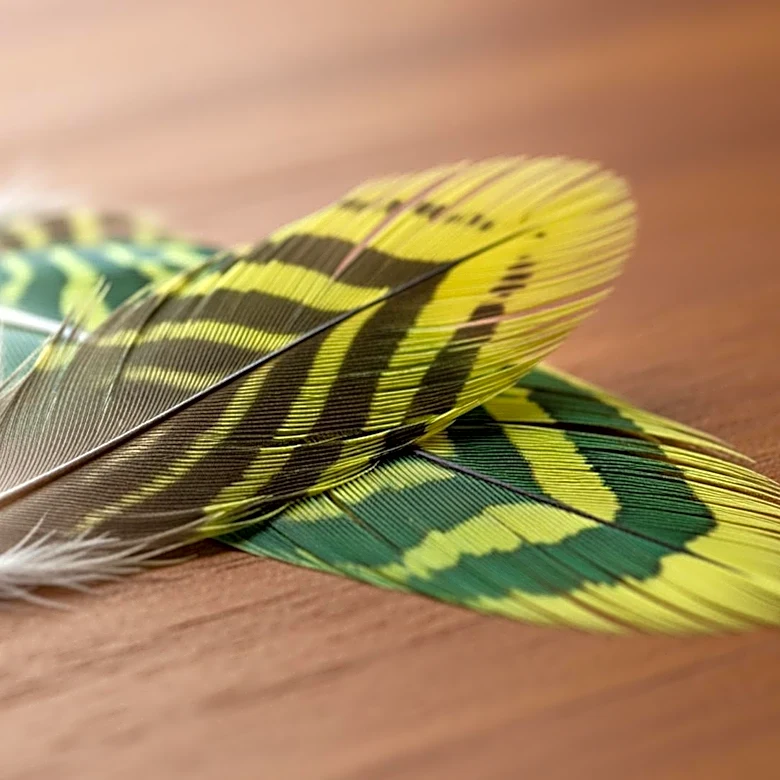
natural color of wild budgerigars is a vibrant green, which results from the combination of yellow pigments and the reflection of blue light by melanin granules in their feathers. This green coloration is known as lightgreen in budgerigars. The feathers of these birds contain a black type of melanin called eumelanin and a yellow pigment known as psittacofulvin. When exposed to sunlight, the blue part of the spectrum is reflected by the eumelanin, passing through the yellow pigment layer to produce the characteristic green color.
In captivity, various mutations have occurred, leading to a wide range of color variations. These mutations affect the genes responsible for pigment production and distribution, resulting in colors such as blue, grey, violet, and even albino. There are at least 32 primary mutations known in budgerigars, which can combine to form hundreds of secondary mutations and color varieties.
Common Color Mutations
Some of the most common color mutations in budgerigars include the blue series, where the yellow pigment is absent, resulting in blue or white birds. The albino mutation, which lacks both melanin and psittacofulvin, produces a nearly pure white bird with red eyes. Other mutations, such as the cinnamon and greywing, affect the intensity and distribution of melanin, leading to softer or darker shades.
The spangled mutation is another popular variation, characterized by a unique pattern of markings on the wings and body. This mutation, along with others like the opaline and pied, adds to the visual diversity of budgerigars, making them a favorite among breeders and pet owners.
The Role of Breeding in Color Diversity
Breeding plays a crucial role in the development and perpetuation of color mutations in budgerigars. Breeders selectively pair birds with desirable traits to produce offspring with specific color patterns. This selective breeding has led to the establishment of stable color varieties and the introduction of new mutations over time.
While color mutations occur naturally, the controlled environment of captivity allows breeders to experiment with different pairings, resulting in the wide array of colors seen in pet budgerigars today. This diversity not only enhances the aesthetic appeal of these birds but also contributes to their popularity as pets.
Understanding the genetics behind budgerigar color variations provides insight into the complexity and beauty of these birds. Whether in the wild or in captivity, the vibrant colors of budgerigars continue to captivate and inspire bird enthusiasts around the world.