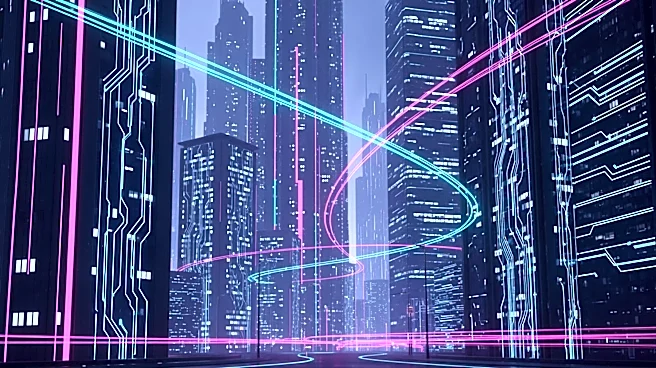







Cyberpunk is a fascinating genre that has evolved significantly since its inception in the 1980s. Initially rooted in literature, it has expanded to influence films, television, video games, and more. This article explores the journey of cyberpunk from its literary beginnings to its widespread impact across different media.
Literary Origins
Cyberpunk began as a subgenre of science fiction, characterized by dystopian futures and advanced technology. The term was first
coined by Bruce Bethke in his 1980 short story "Cyberpunk," but it was William Gibson's 1984 novel "Neuromancer" that truly solidified the genre. Gibson's work introduced readers to a world where technology and human life were intricately intertwined, setting the stage for future cyberpunk narratives.
The genre drew inspiration from the New Wave science fiction movement of the 1960s and 1970s, which explored themes of technology, drug culture, and societal change. Authors like Philip K. Dick and Harlan Ellison were instrumental in shaping the cyberpunk ethos, focusing on the impact of technology on human life and society.
Expansion into Film and Television
Cyberpunk's transition from literature to film was marked by the release of Ridley Scott's "Blade Runner" in 1982. Based on Philip K. Dick's novel "Do Androids Dream of Electric Sheep?," the film captured the essence of cyberpunk with its depiction of a dystopian future dominated by technology and corporate power. "Blade Runner" set a visual and thematic standard for future cyberpunk films.
Television also embraced cyberpunk themes, with the 1987 series "Max Headroom" being a notable example. The show depicted a world controlled by television networks, where computer hacking played a central role. This series was among the first to bring cyberpunk to the small screen, paving the way for future adaptations.
Influence on Video Games and Beyond
The cyberpunk genre has had a profound impact on video games, with titles like "Cyberpunk 2077" and "Deus Ex" incorporating its themes of technology and dystopia. These games allow players to immerse themselves in cyberpunk worlds, exploring the consequences of technological advancement and corporate control.
Beyond video games, cyberpunk has influenced fashion, music, and even architecture. The genre's aesthetic, characterized by neon lights and urban decay, has become a cultural touchstone. Cyberpunk's exploration of themes like transhumanism and artificial intelligence continues to resonate, making it a relevant and enduring genre.
Cyberpunk's journey from literature to multimedia showcases its adaptability and enduring appeal. As technology continues to evolve, cyberpunk remains a powerful lens through which we can examine the future of human society.