



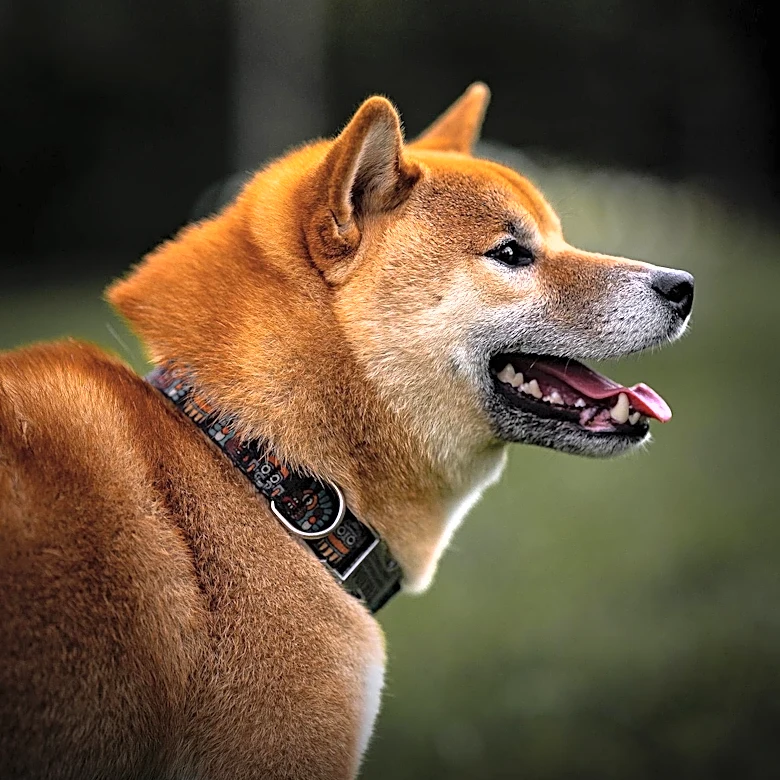



The Saluki, often referred to as the Arabian or Persian hound, is a breed with a rich and ancient history. Originating from the Fertile Crescent, this sighthound has been a companion to nomadic tribes for thousands of years. Known for its speed and elegance, the Saluki has been depicted in art and literature throughout the ages, showcasing its significance in various cultures. This article delves into the historical journey of the Saluki, tracing
its roots from ancient civilizations to its modern-day presence.
Ancient Origins
The Saluki's history can be traced back to the Fertile Crescent, where it was bred by nomadic tribes to hunt game animals. This region, known for its agricultural advancements, provided the perfect environment for the development of this agile and swift breed. The Saluki's ancestors were depicted in ancient art, including pottery from Susa, Iran, dating back 6,000 years. These depictions highlight the breed's long, narrow body and hunting prowess.
In ancient Egypt, Saluki-like dogs were featured on tombs from the Middle Kingdom onward, replacing earlier hunting dogs in prominence. The breed's association with royalty and nobility is evident, as it was often kept by rulers and used for hunting gazelle and hare. The Saluki's presence in ancient art and literature underscores its importance in these early civilizations.
The Spread Across Continents
As trade routes expanded, the Saluki found its way to various regions, including China and Europe. The Silk Road facilitated the exchange of goods and culture, allowing the breed to reach distant lands. In China, Saluki-like dogs were painted by the Ming Dynasty's Xuande Emperor, indicating their presence in the imperial collection.
In Europe, the breed gained popularity through returning crusaders who brought Saluki-type dogs from the Middle East. Paintings from the Renaissance period, such as those by Paolo Veronese, feature Saluki-like dogs, showcasing their integration into European culture. The breed's adaptability and elegance made it a favored companion among the nobility.
Modern Recognition and Preservation
The Saluki's journey continued into the modern era, with efforts to preserve its purebred lines. In the 19th century, the breed was introduced to the West, particularly in Britain and Germany, where breed standards were established. The Saluki Club of America was founded in 1927, further solidifying its presence in the United States.
Today, the Saluki is recognized by various kennel clubs and remains a symbol of elegance and speed. Its historical significance is celebrated through exhibitions and art, ensuring that the breed's legacy continues to thrive. The Saluki's journey from ancient times to modern day is a testament to its enduring appeal and cultural impact.