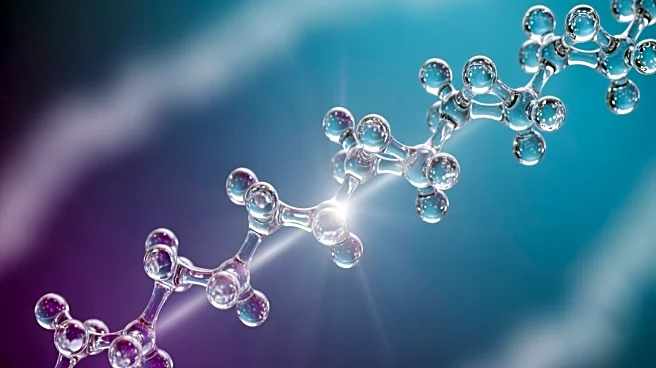

Peptide hormones are vital components of the endocrine system, acting as messengers that regulate various physiological processes. Composed of peptide molecules, these hormones influence the function of target cells by binding to specific receptors and triggering signal transduction pathways. Understanding the synthesis and function of peptide hormones is crucial for appreciating their role in maintaining homeostasis.
Synthesis of Peptide Hormones
Peptide hormones are synthesized
in cells from amino acids based on mRNA transcripts derived from DNA templates inside the cell nucleus. The initial precursors, known as preprohormones, undergo processing in the endoplasmic reticulum, where the N-terminal signal peptide is removed, and glycosylation may occur, yielding prohormones. These prohormones are then packaged into secretory vesicles, stored, and released via exocytosis in response to specific stimuli, such as increased intracellular calcium and cAMP levels.
The synthesis of peptide hormones is a complex process that ensures the precise regulation of hormone levels in the bloodstream. This regulation is essential for maintaining the balance of physiological processes, such as growth, metabolism, and reproduction.
Function and Mechanism of Action
Once released into the bloodstream, peptide hormones travel throughout the body and bind to specific receptors on target cell membranes. This binding activates a second messenger within the cytoplasm, triggering signal transduction pathways that lead to specific cellular responses. These responses can include changes in gene expression, enzyme activity, and ion channel function, ultimately affecting the physiological state of the organism.
Peptide hormones are water-soluble, allowing them to act on target cells via second messenger systems. This mechanism of action contrasts with steroid hormones, which are lipid-soluble and interact directly with intracellular receptors in the cell nucleus.
Examples and Importance of Peptide Hormones
Peptide hormones play a crucial role in regulating various physiological processes. Examples include insulin, which regulates glucose metabolism; glucagon, which raises blood glucose levels; and growth hormone, which stimulates growth and cell reproduction. These hormones are essential for maintaining homeostasis and responding to changes in the internal and external environment.
The study of peptide hormones is vital for understanding the endocrine system's function and developing treatments for hormonal imbalances and related disorders. By exploring the synthesis, function, and mechanism of action of peptide hormones, researchers can develop targeted therapies to address conditions such as diabetes, growth disorders, and metabolic syndromes.