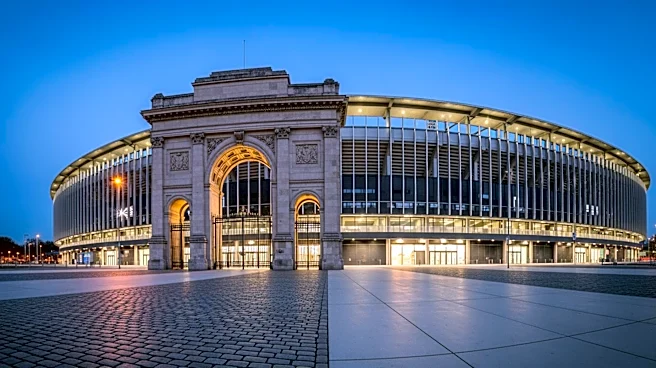



The stadium known today as Deutsche Bank Park in Frankfurt, Germany, has a rich history that dates back to its opening in 1925. Originally called Waldstadion, this venue has undergone several transformations and name changes, reflecting its evolving role in sports and culture. This article explores the stadium's journey from its early days to its current status as a modern football arena.
Early Years and Initial Construction
Waldstadion was inaugurated on May 21, 1925, in Frankfurt am
Main. Situated in the city’s Sachsenhausen district, the stadium was initially designed to accommodate a variety of sports, including athletics. Over the years, it became a central hub for sports in the region, hosting numerous local and international events. The stadium's location in the city forest gave it the name Waldstadion, which translates to “Forest Stadium.”
Throughout its early years, Waldstadion was a versatile venue, hosting not only football matches but also other sporting events. Its capacity and facilities made it a popular choice for large gatherings, and it quickly became a beloved landmark in Frankfurt.
Modernization and Name Changes
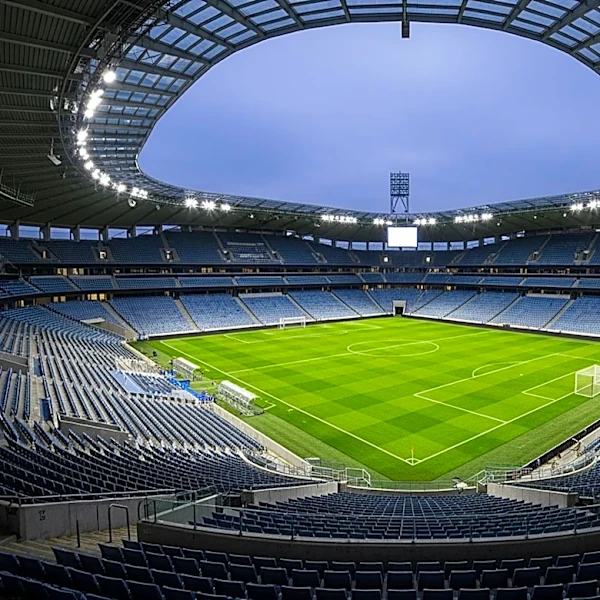
In the early 2000s, Waldstadion underwent significant renovations to transform it into a football-specific stadium. This modernization was part of the preparations for the 2006 FIFA World Cup, which Germany hosted. Between 2002 and 2005, the stadium was rebuilt without an athletics track, focusing solely on football. This transformation marked a new era for the venue, enhancing its appeal as a premier football destination.
On July 1, 2005, the stadium was renamed Commerzbank Arena as part of a sponsorship deal. This name change was met with mixed reactions from fans, many of whom continued to refer to it as Waldstadion. The Commerzbank sponsorship lasted until June 30, 2020, when Deutsche Bank took over the naming rights, leading to the current name, Deutsche Bank Park.
Cultural and Sporting Significance
Deutsche Bank Park is not just a sports venue; it is a cultural icon in Frankfurt. It has hosted numerous significant events, including the 2005 FIFA Confederations Cup and the 2006 FIFA World Cup. The stadium's capacity of 59,500 makes it one of the largest in Germany, capable of hosting major international tournaments and concerts.
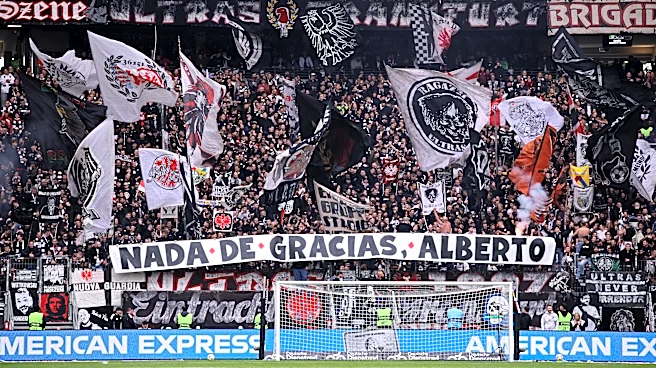
The stadium has also been home to Eintracht Frankfurt, a prominent football club in the Bundesliga. The club's matches draw large crowds, contributing to the stadium's vibrant atmosphere. Despite the name changes, many fans and locals still affectionately call it Waldstadion, a testament to its enduring legacy.
In conclusion, the evolution of Waldstadion into Deutsche Bank Park reflects the dynamic nature of sports venues and their ability to adapt to changing times. From its early days as a multi-sport facility to its current status as a modern football arena, the stadium remains a vital part of Frankfurt's cultural and sporting landscape.