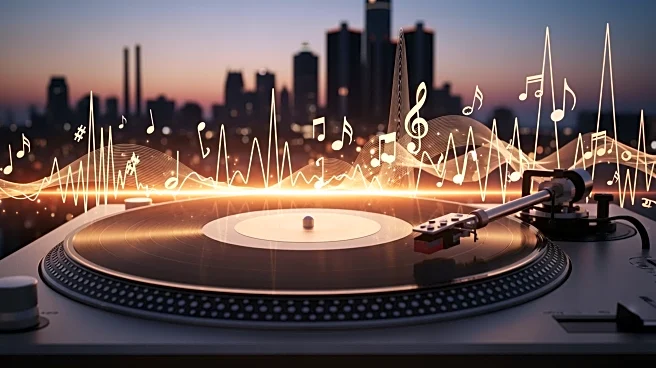



Detroit, Michigan, has long been recognized as a powerhouse in the music industry, contributing significantly to the development of various genres. Known for its vibrant music scene, Detroit has been a major music hub for over 50 years, producing influential artists and genres that have shaped the musical landscape. This article delves into Detroit's role in the music world, highlighting its contributions to Motown, techno, and early punk rock.
Motown: The Sound of Young America
Motown,
a genre synonymous with Detroit, revolutionized the music industry in the 1960s. Founded by Berry Gordy Jr., Motown Records became a cultural phenomenon, producing hits that resonated with audiences across the globe. The label's unique blend of pop, soul, and R&B created a sound that was both innovative and accessible, earning it the nickname "The Sound of Young America." Detroit's Motown artists, including legends like Marvin Gaye, Stevie Wonder, and Diana Ross, played a pivotal role in breaking racial barriers in the music industry, bringing African American music to mainstream audiences.
The success of Motown was not just in its music but also in its business model. Gordy's vision of a music factory, where artists were groomed and polished for success, set a precedent for the industry. The Motown sound, characterized by catchy melodies and sophisticated arrangements, became a blueprint for future music production, influencing countless artists and genres.
Techno: Detroit's Electronic Revolution
In the 1980s, Detroit became the birthplace of techno, a genre that would go on to influence electronic music worldwide. Pioneers like Juan Atkins, Derrick May, and Kevin Saunderson, known as the "Belleville Three," crafted a sound that was futuristic and innovative, blending elements of funk, electronic, and house music. Techno's pulsating beats and synthesized sounds captured the spirit of Detroit, reflecting the city's industrial landscape and its cultural diversity.
Detroit techno quickly gained international acclaim, with its artists performing at clubs and festivals around the world. The genre's emphasis on rhythm and technology resonated with audiences, leading to the development of sub-genres and influencing electronic music production globally. Detroit's contribution to techno solidified its reputation as a city of musical innovation.
Early Punk Rock: A Raw and Rebellious Sound
Detroit's music scene also played a crucial role in the emergence of early punk rock. Bands like MC5 and The Stooges brought a raw, rebellious energy to the stage, challenging the norms of the music industry. Their aggressive sound and anti-establishment lyrics resonated with the youth, laying the groundwork for the punk rock movement.
The influence of Detroit's punk rock scene extended beyond music, impacting fashion, art, and culture. The city's punk bands inspired a generation of musicians, leading to the development of new genres and subcultures. Detroit's contribution to punk rock showcased its ability to innovate and push boundaries, cementing its status as a musical hub.