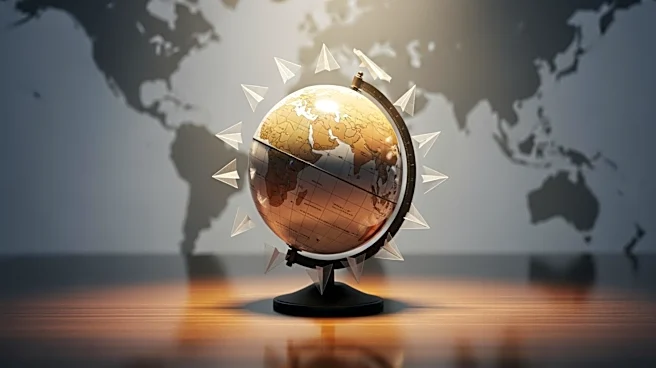

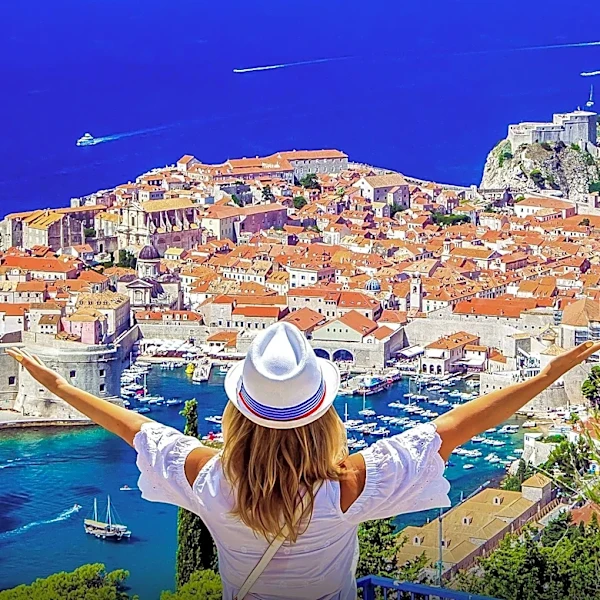






The World Tourism Organization (WTO), known as ONU Turismo, plays a crucial role in promoting tourism worldwide. As a specialized agency of the United Nations, it is dedicated to fostering sustainable and universally accessible tourism. With its headquarters in Madrid, Spain, the organization has a significant influence on the global tourism sector, working with 160 member states, six territories, and over 500 private sector members.
Structure and Governance
The WTO is structured
to ensure effective governance and representation of its diverse membership. The supreme body of the organization is the General Assembly, which convenes every two years. This assembly includes delegates from full and associate members, as well as affiliate members and representatives from other international organizations. The General Assembly serves as a platform for high-level discussions and decision-making, shaping the future of global tourism.
Supporting the General Assembly are six Regional Commissions, established in 1975. These commissions facilitate communication and collaboration among member states and the Secretariat between General Assembly meetings. Each commission elects its own chair for a two-year term, ensuring continuity and regional representation in the organization's activities.
The Executive Council
The Executive Council of the WTO is tasked with implementing the decisions and resolutions of the General Assembly. It meets at least twice a year and is composed of members elected by the General Assembly. The council's composition is designed to ensure fair geographical representation, with one member for every five full members. Spain holds a permanent seat on the council, reflecting its status as the host country of the organization's headquarters.
The Executive Council plays a vital role in the organization's operations, working closely with the Secretary-General to adopt necessary measures for the implementation of its decisions. The council's members serve four-year terms, with half of the members being renewed every two years, ensuring a balance of continuity and fresh perspectives.
Global Impact and Initiatives
The WTO's influence extends beyond its governance structure, as it actively promotes tourism as a driver of economic growth and cultural exchange. The organization celebrates World Tourism Day on September 27th, marking the anniversary of its statutes' approval. This day highlights the importance of tourism in fostering international understanding and cooperation.
Through its initiatives, the WTO addresses various challenges facing the tourism industry, such as sustainability and accessibility. By collaborating with member states, private sector partners, and educational institutions, the organization works to create a more inclusive and responsible tourism sector. Its efforts contribute to the development of policies and practices that benefit both tourists and host communities, ensuring that tourism remains a positive force in the world.