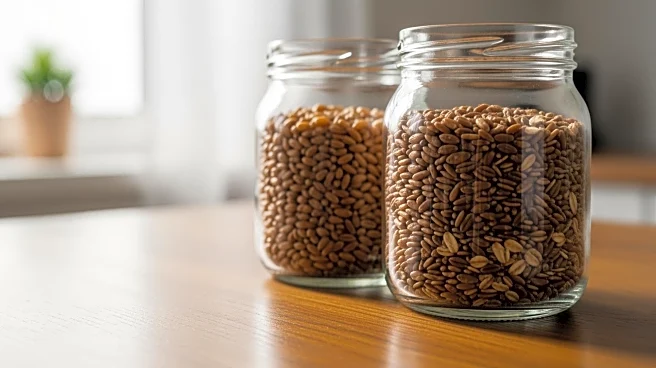




Whole grains are a staple in many diets, known for their health benefits and nutritional value. However, the regulations surrounding what constitutes a whole grain can vary significantly between countries. In this article, we will explore the regulations in the United States and the United Kingdom, highlighting the differences and similarities in how whole grains are defined and marketed.
Whole Grain Definition in the United States
In the United States, the definition of whole grains is quite
specific. For a grain to be considered whole, it must contain all parts of the grain kernel: the endosperm, germ, and bran. This comprehensive definition ensures that consumers receive the full nutritional benefits of the grain. However, there is a provision that allows up to 5% of the kernel to be removed to enhance shelf life. This flexibility is crucial for manufacturers who need to balance product longevity with nutritional integrity.
The U.S. Food and Drug Administration (FDA) plays a significant role in regulating food products, including whole grains. The FDA's guidelines ensure that products labeled as whole grain meet the necessary criteria, providing consumers with confidence in their food choices. This regulatory framework helps maintain a standard across the food industry, ensuring that products marketed as whole grains truly deliver on their promise.
Whole Grain Regulations in the United Kingdom
In contrast to the United States, the United Kingdom has a different approach to whole grain regulation. The term "wholemeal" is legally protected in the U.K., serving as the equivalent to the U.S. term "whole grain." This legal protection means that any product labeled as wholemeal must meet specific criteria, ensuring consistency and reliability for consumers.
The U.K.'s Food Standards Agency (FSA) oversees these regulations, working to ensure that food products are safe and accurately labeled. By protecting the term "wholemeal," the FSA provides a clear standard for manufacturers and consumers alike. This approach helps prevent misleading marketing practices and ensures that consumers can trust the labels on their food products.
Comparing U.S. and U.K. Approaches
While both the U.S. and U.K. have robust systems in place to regulate whole grains, their approaches reflect different priorities and cultural contexts. The U.S. allows for a small percentage of the grain to be removed, focusing on balancing nutritional value with practical considerations like shelf life. Meanwhile, the U.K.'s legal protection of the term "wholemeal" emphasizes consistency and consumer trust.
These differences highlight the importance of understanding local regulations when purchasing whole grain products. For consumers, being aware of these distinctions can help make informed choices that align with their dietary preferences and health goals. As global trade continues to expand, understanding these regulatory nuances becomes increasingly important for both consumers and manufacturers.