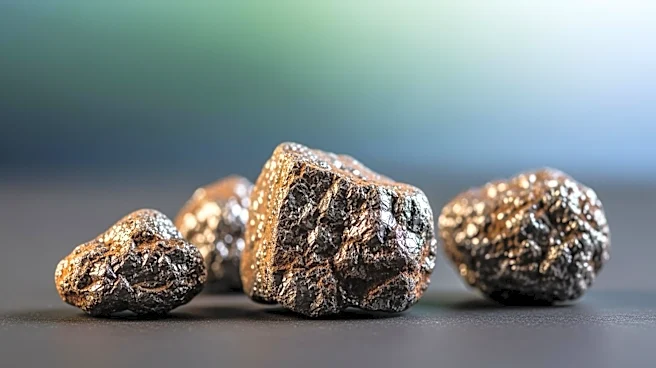







Activated carbon, also known as activated charcoal, is a material that plays a significant role in promoting environmental sustainability. Its ability to adsorb pollutants and contaminants makes it a valuable tool in various environmental applications. This article examines how activated carbon contributes to environmental protection and sustainability.
Waste Reduction and Resource Utilization
One of the key environmental benefits of activated carbon is its role in waste reduction. Activated
carbon is often derived from waste products such as coconut husks, olive stones, and rice husks. By upcycling these agricultural by-products, the production of activated carbon helps reduce landfill burden and promotes the efficient use of resources.
Additionally, the use of waste streams as feedstock for activated carbon production lowers the overall carbon footprint. This approach not only minimizes waste but also provides an environmentally friendly alternative to traditional raw materials like coal and petroleum pitch.
Water and Air Quality Improvement
Activated carbon is widely used in water and air purification systems, where it helps improve environmental quality. In water treatment, activated carbon removes organic compounds, chlorine, and other pollutants, ensuring safe and clean drinking water. This is crucial in protecting aquatic ecosystems and human health.
In air purification, activated carbon adsorbs volatile organic compounds and odors, contributing to cleaner air. Its use in industrial processes helps control emissions, reducing the release of harmful gases into the atmosphere. This not only benefits the environment but also supports compliance with environmental regulations.
Sustainable Industrial Practices
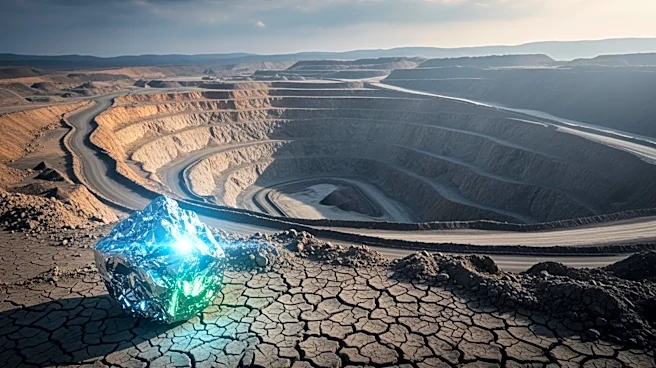
The application of activated carbon in industrial processes promotes sustainability by enhancing resource recovery and reducing waste. In metal extraction, activated carbon facilitates the recovery of precious metals, such as gold, from mining operations. This not only improves the efficiency of resource utilization but also reduces the environmental impact of mining activities.
Furthermore, activated carbon is used in the treatment of industrial wastewater, where it adsorbs toxins and reduces chemical oxygen demand. This helps industries meet environmental standards and prevents the discharge of harmful substances into water bodies.
Activated carbon's environmental impact is significant, as it supports waste reduction, resource utilization, and pollution control. Its role in improving water and air quality, along with its applications in sustainable industrial practices, underscores its importance in promoting environmental sustainability. As the demand for cleaner and more sustainable solutions grows, activated carbon will continue to play a vital role in protecting our planet.