

The Half Moon Pose, known as Ardha Chandrasana in Sanskrit, is a standing yoga posture that plays a significant role in modern yoga practice. This pose is celebrated for its ability to strengthen the ankles and improve balance, making it a staple in many yoga routines. The name Ardha Chandrasana is derived from the Sanskrit words for "half," "moon," and "posture," reflecting the pose's graceful, crescent-like shape.
Origins and Meaning
The Half Moon Pose's name, Ardha
Chandrasana, is deeply rooted in Sanskrit, the ancient language of yoga. "Ardha" translates to "half," "Chandra" means "moon," and "Asana" refers to "posture" or "pose." This name not only describes the physical shape of the pose but also hints at its symbolic significance. The moon, often associated with calmness and reflection, mirrors the balance and focus required to perform this asana effectively.
In the context of yoga, the moon symbolizes the mind and emotions, and practicing the Half Moon Pose can help bring these elements into balance. The pose's structure encourages practitioners to find stability and poise, both physically and mentally, as they hold the position. This balance is a key aspect of yoga, which aims to harmonize the body and mind.
Physical Benefits
The Half Moon Pose is particularly beneficial for strengthening the ankles and improving overall balance. As practitioners shift their weight onto one leg and extend the other, they engage various muscle groups, including the core, legs, and arms. This engagement not only builds strength but also enhances coordination and stability.
Additionally, the pose encourages flexibility in the hips and spine. By reaching one arm towards the sky and the other towards the ground, practitioners open up the chest and shoulders, promoting better posture and alignment. This extension can also help alleviate tension in the back and neck, making it a therapeutic addition to any yoga practice.
Variations and Styles
In different styles of yoga, the Half Moon Pose may be adapted or referred to by other names. For instance, in Bikram Yoga, a variation known as Indudalasana is practiced, which involves a similar standing position with a focus on balance and strength. These variations allow practitioners to explore the pose from different angles and deepen their understanding of its benefits.
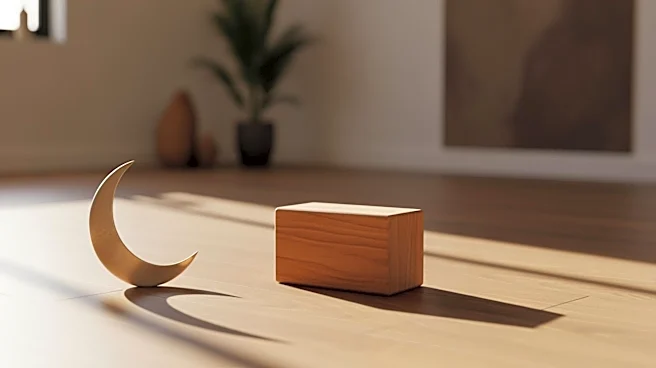
The adaptability of the Half Moon Pose makes it accessible to practitioners of all levels. Beginners can use props like blocks to support their balance, while more advanced yogis can experiment with deeper stretches and longer holds. This versatility ensures that the Half Moon Pose remains a beloved and enduring part of yoga practice worldwide.