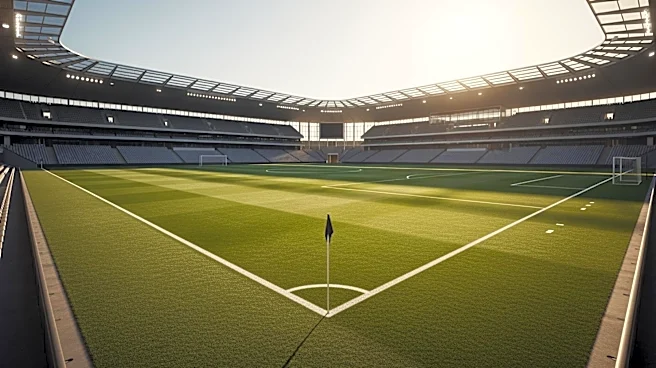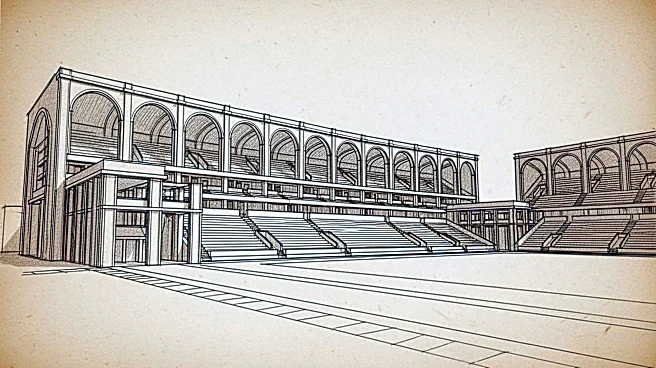





Estadio José Zorrilla, located in Valladolid, Spain, has a rich history that dates back to its construction in 1982. Named after the poet José Zorrilla, the stadium has been a central hub for sports and entertainment in the region. Over the years, it has undergone various changes and hosted numerous events, contributing to its legacy as a significant venue in Spanish football.
Construction and Early Years
The construction of Estadio José Zorrilla marked a new era for sports in
Valladolid. Built in 1982, the stadium replaced the earlier Estadio José Zorrilla, which was located near the city's bullring. The new stadium was designed to accommodate a larger audience, with an initial capacity of 33,000 seats. This expansion allowed Valladolid to host more significant events, including the 1982 FIFA World Cup.
The first match played at the stadium was a Spanish Liga match on February 20, 1982, between Real Valladolid and Athletic Bilbao. Real Valladolid emerged victorious with a 1-0 win, thanks to a goal scored by Jorge Alonso in the 84th minute. This match set the stage for the stadium's future as a venue for exciting football action.
Key Events and Renovations
Throughout its history, Estadio José Zorrilla has hosted various notable events. In addition to the 1982 FIFA World Cup, the stadium was the site of the 1982 Copa del Rey Final, where Real Madrid defeated Sporting de Gijón 2-1. These events helped establish the stadium's reputation as a premier venue for football in Spain.
Over the years, Estadio José Zorrilla has undergone several renovations to enhance its facilities. In 2019, refurbishing works were carried out, removing the dry moat and adding three new rows of seats, increasing the capacity to 26,451. These improvements have ensured that the stadium remains a modern and comfortable venue for spectators.
Cultural and Sporting Impact
Estadio José Zorrilla has played a significant role in the cultural and sporting life of Valladolid. As the home venue for Real Valladolid, the stadium has been a gathering place for fans to support their team and celebrate victories. Its presence has contributed to the city's identity as a center for sports and entertainment.
Beyond football, the stadium has hosted other events, such as rugby finals and concerts. Notably, pop superstar Michael Jackson performed a sold-out show at the stadium in 1997 during his HIStory World Tour. These events have further cemented Estadio José Zorrilla's status as a versatile venue capable of hosting diverse activities.
The history of Estadio José Zorrilla reflects its importance in Valladolid and the broader sports community. Its evolution over the years demonstrates its adaptability and enduring appeal as a venue for memorable events.