




Polyurethane has a rich history that dates back to the early 20th century. Its development marked a significant advancement in polymer chemistry, leading to a wide array of applications that have transformed various industries. This article takes a historical journey through the evolution of polyurethane, highlighting key milestones and innovations that have shaped its current status as a versatile material.
Early Beginnings and Innovations
The story of polyurethane begins in 1937
when Otto Bayer and his coworkers at IG Farben in Germany first synthesized the polymer. This new material offered advantages over existing plastics, particularly those made by polymerizing olefins or through polycondensation. The early focus was on producing fibers and flexible foams, with limited applications during World War II as aircraft coatings.
The commercial availability of polyisocyanates in 1952 marked a turning point for polyurethane. By 1954, the production of flexible polyurethane foam had begun, utilizing toluene diisocyanate (TDI) and polyester polyols. This period also saw the development of rigid foams, gum rubber, and elastomers, expanding the potential uses of polyurethane.
Advancements in the Mid-20th Century
The mid-20th century was a time of significant growth for polyurethane. In 1960, over 45,000 metric tons of flexible polyurethane foams were produced, thanks to the availability of chlorofluoroalkane blowing agents and inexpensive polyether polyols. These innovations allowed for the use of polyurethane rigid foams as high-performance insulation materials.
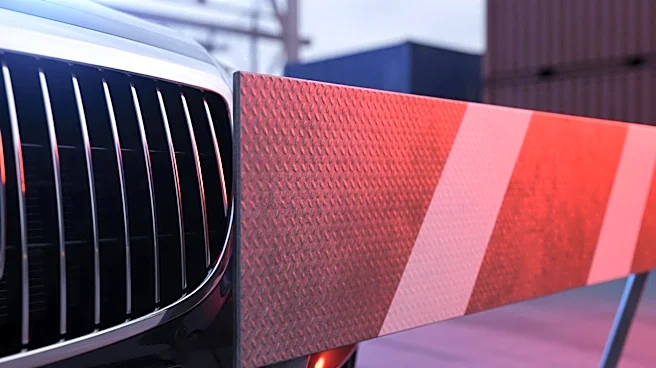
The 1960s also saw the introduction of urethane-modified polyisocyanurate rigid foams, which offered improved thermal stability and flammability resistance. During this decade, polyurethane found its way into automotive applications, with components like instrument and door panels being produced using semi-rigid foam.
Modern Developments and Applications
The late 20th and early 21st centuries have seen continued advancements in polyurethane technology. The introduction of reaction injection molding (RIM) in 1969 allowed for the production of all-plastic cars, such as the Pontiac Fiero in 1983. This process, along with reinforced RIM (RRIM), has enabled the creation of durable and lightweight automotive components.
Today, polyurethane is used in a wide range of applications, from foams and coatings to elastomers and fibers. Its versatility and durability continue to make it a valuable material in industries such as construction, automotive, and consumer goods. As research and development efforts continue, the future of polyurethane looks promising, with potential for even more innovative applications.
In summary, the evolution of polyurethane is a testament to the power of innovation in polymer chemistry. From its early beginnings to its modern applications, polyurethane has consistently adapted to meet the changing needs of industries, solidifying its place as a crucial material in the modern world.