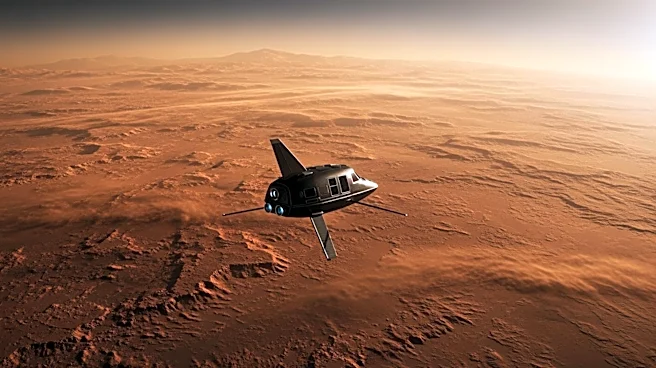


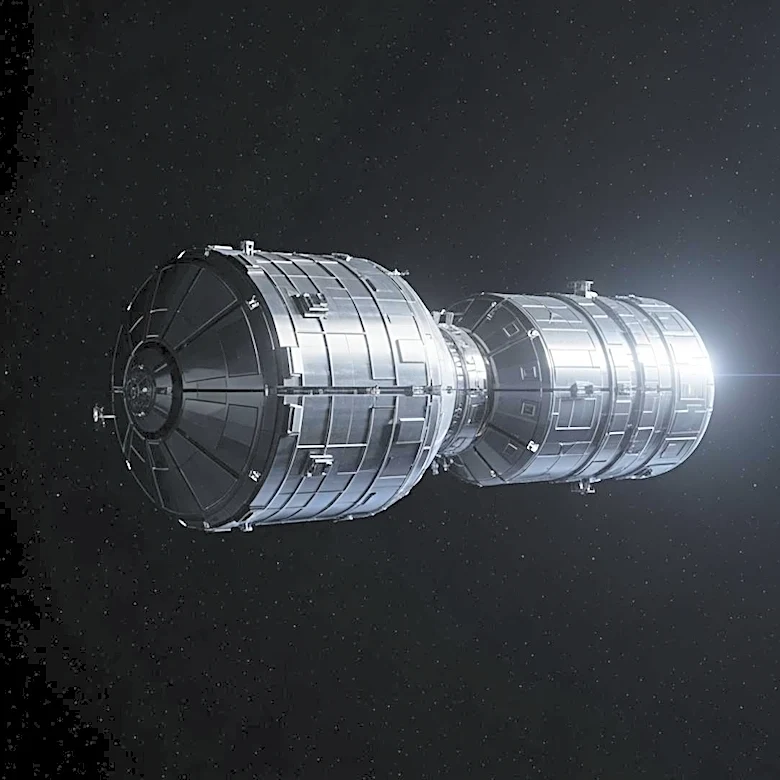




Mariner 9's successful mission to Mars in 1971 marked a turning point in planetary exploration. As the first spacecraft to orbit another planet, it set the stage for future missions and significantly influenced our understanding of Mars. This article explores the long-term impact of Mariner 9 on subsequent Mars exploration efforts and its enduring legacy in space science.
Pioneering Discoveries
Mariner 9's mission was groundbreaking in many ways. It was the first to provide
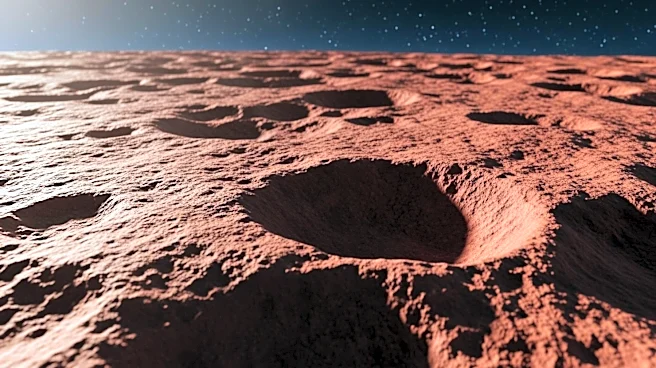
a comprehensive map of Mars, covering 85% of the planet's surface. The images captured by Mariner 9 revealed a diverse landscape, including river beds, craters, and massive extinct volcanoes like Olympus Mons. These discoveries challenged previous assumptions about Mars and suggested a more complex geological history.
The spacecraft also uncovered the Valles Marineris, a vast canyon system that stretches over 4,020 kilometers. This discovery was so significant that the canyon system was named in honor of Mariner 9. The data collected by the spacecraft provided valuable insights into the planet's geological processes and laid the groundwork for future exploration missions.
Influence on Future Missions
The success of Mariner 9 had a profound impact on subsequent Mars missions. The data and images it collected were instrumental in planning the Viking program, which aimed to further explore the Martian surface. The Viking orbiters and landers built upon Mariner 9's findings, conducting detailed studies of the planet's atmosphere and surface.
Mariner 9's mission also demonstrated the importance of orbiting spacecraft in planetary exploration. Its ability to adapt to unexpected conditions, such as the massive dust storm that delayed its imaging tasks, highlighted the need for flexible mission software. This lesson was crucial for the design of future missions, which incorporated more advanced technology and programming capabilities.
Enduring Legacy
Mariner 9's legacy extends beyond its immediate contributions to Mars exploration. Its success paved the way for a new era of planetary science, inspiring subsequent missions to Mars and other planets. The technological innovations and scientific discoveries of Mariner 9 continue to inform the design and objectives of modern spacecraft.
Today, Mariner 9 is remembered as a pioneer in space exploration, setting a high standard for future missions. Its achievements have left an indelible mark on the field of planetary science, and its influence can still be seen in the ongoing exploration of Mars and beyond. Mariner 9's mission remains a testament to the power of human ingenuity and the enduring quest to explore the unknown.