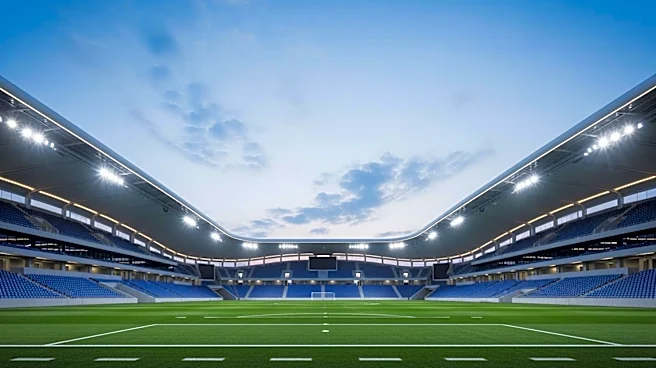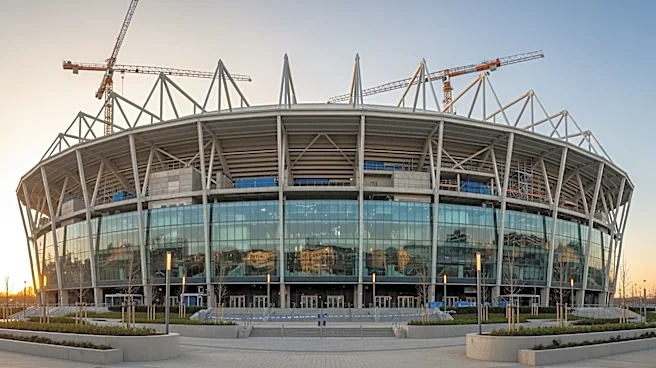









Arena Pantanal, situated in Cuiabá, Brazil, is a testament to modern stadium construction and design. Completed in April 2014, this multi-use stadium has undergone significant developments since its inception. Initially built to host matches for the 2014 FIFA World Cup, Arena Pantanal has evolved to become a central hub for sports and events in the region.
Building a World-Class Stadium
The construction of Arena Pantanal began in May 2010, with the aim of creating a state-of-the-art
facility for the 2014 FIFA World Cup. The project faced numerous challenges, including a fire in October 2013 caused by polystyrene insulation panels. This incident raised concerns about the stadium's readiness, but the construction team managed to complete the project by April 26, 2014.
Despite the tight timeline, the stadium was ready to host World Cup matches, although 5,000 seats were still to be installed on the day of its opening. The state governor of Mato Grosso had previously expressed doubts about the stadium's completion, but the team overcame these obstacles to deliver a world-class venue.
Hosting International Events
Arena Pantanal's primary purpose during its early years was to host matches for the 2014 FIFA World Cup. The stadium successfully accommodated four group stage matches, drawing large crowds and showcasing its capacity to handle international events. With a seating capacity of 41,390 during the World Cup, the stadium provided an excellent venue for fans and players alike.
The successful hosting of these matches demonstrated Arena Pantanal's ability to manage large-scale events, solidifying its reputation as a premier sports venue. The stadium's design and facilities were praised for their modernity and functionality, making it a standout location during the tournament.
Post-World Cup Developments
Following the World Cup, Arena Pantanal continued to evolve, becoming the home ground for Campeonato Brasileiro Série B club Cuiabá Esporte Clube in 2015. The stadium's capacity was later increased to 42,788, allowing it to host even more spectators for various events.
In addition to football, Arena Pantanal has been used for other purposes, including hosting matches for the 2021 Copa América. Its versatility as a multi-use stadium has ensured its continued relevance in the world of sports. The stadium's legacy as a World Cup venue has influenced its development and use, making it a key location in Brazil's sporting landscape.
Arena Pantanal's journey from construction to hosting international events highlights its significance in the world of sports. Its ability to adapt and serve various purposes ensures that it remains a vital part of Brazil's sporting infrastructure.