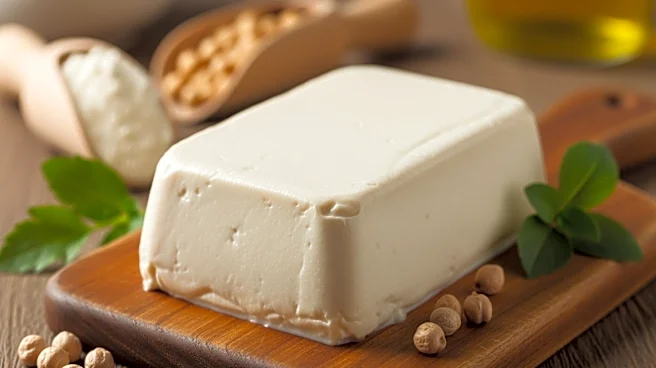

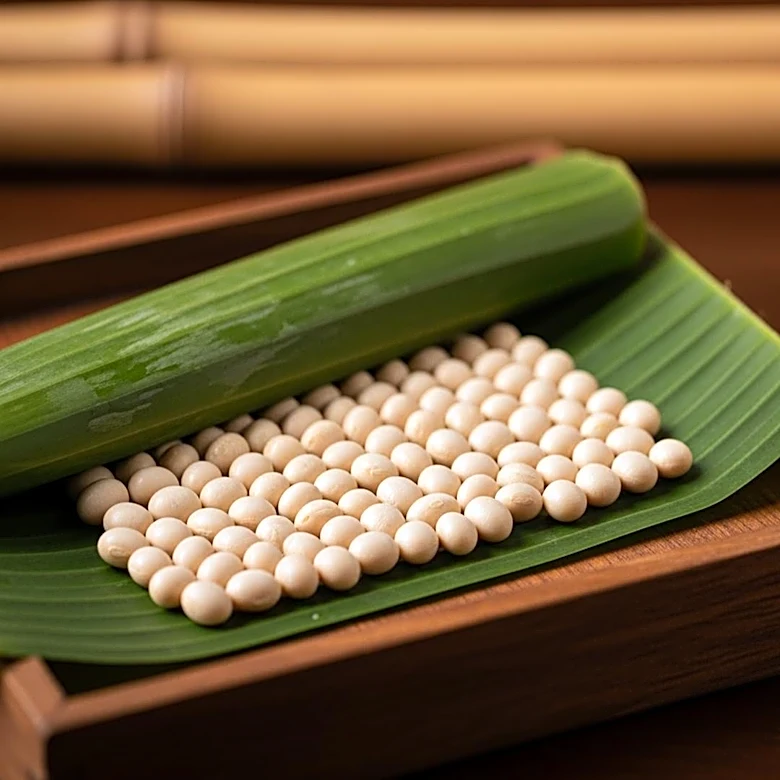



Burmese tofu, a staple in Burmese cuisine, is a unique food item that differs significantly from the more commonly known soy-based tofu. Made from chickpea flour and yellow split peas, Burmese tofu is a testament to the rich culinary traditions of Burma. This article explores the cultural and culinary significance of Burmese tofu and its role in the diverse food landscape of Burma.
The Cultural Roots of Burmese Tofu
Burmese tofu has its origins in the Shan region of Burma and is influenced
by Chinese culinary practices from Yunnan Province. The use of chickpea flour, also known as besan flour, is central to its preparation, setting it apart from the soy-based tofu found in other Asian cuisines. This ingredient choice reflects the agricultural practices and available resources in the region, highlighting the adaptability and innovation of Burmese cuisine.
The preparation of Burmese tofu involves mixing chickpea flour with water, turmeric, and salt, then heating the mixture until it reaches a creamy consistency. This process is similar to making polenta and results in a firm, jelly-like product that is integral to many Burmese dishes. The cultural significance of Burmese tofu is evident in its widespread use and the variety of dishes it enhances.
Culinary Applications and Regional Variations
Burmese tofu is celebrated for its versatility and is used in a range of culinary applications. It can be served fresh in salads, where its creamy texture and nutty flavor are complemented by dressings of peanut oil, soy sauce, and rice vinegar. This dish is a popular snack or meal, showcasing the tofu's ability to absorb and enhance flavors.
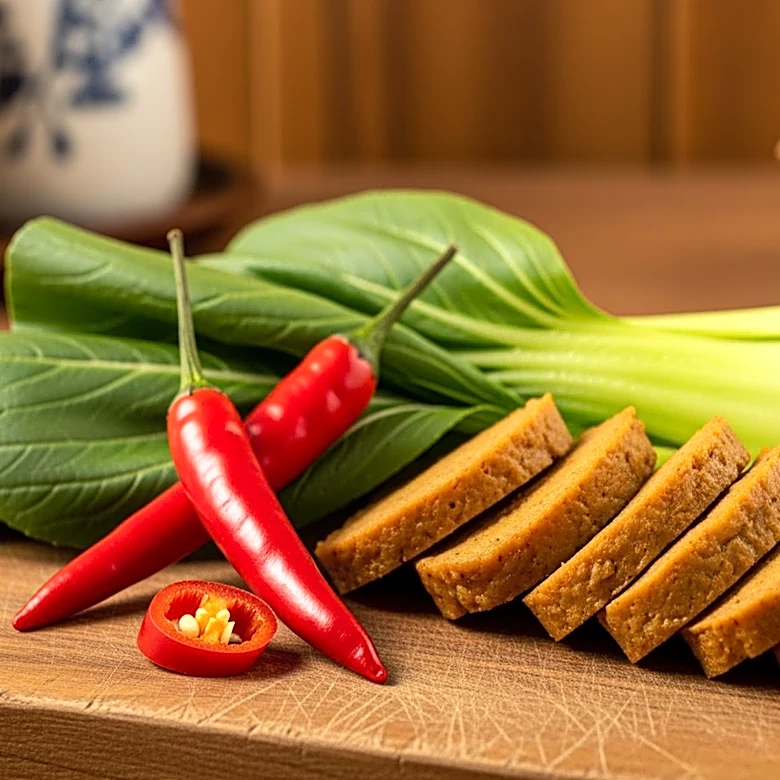
In addition to fresh preparations, Burmese tofu is often deep-fried into fritters, known as to hpu gyaw. These fritters are crispy on the outside and soft on the inside, making them a popular snack or accompaniment to meals. The tofu can also be sliced and dried to create crackers, offering a crunchy alternative.
The Role of Burmese Tofu in Vegetarian Cuisine
Burmese tofu plays a crucial role in vegetarian cuisine, serving as a meat substitute in various dishes. Its firm texture and ability to absorb flavors make it an ideal ingredient for creating satisfying vegetarian meals. The tofu's versatility is further demonstrated in regional variations, such as won ta hpo and hsan ta hpo, which offer different textures and flavors.
Overall, Burmese tofu is a cherished component of Burmese culinary tradition, reflecting the region's rich cultural heritage and innovative spirit. Its unique preparation and diverse applications make it a beloved staple in Burmese cuisine.