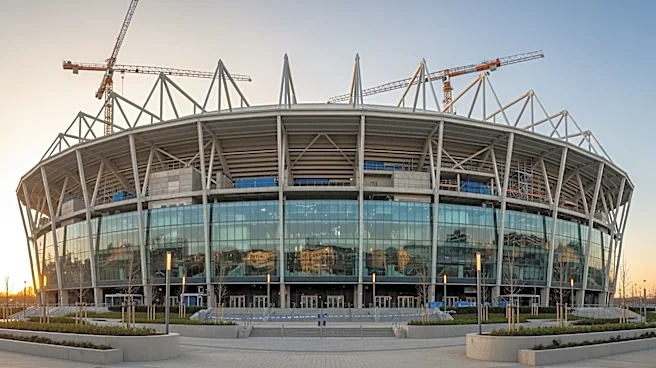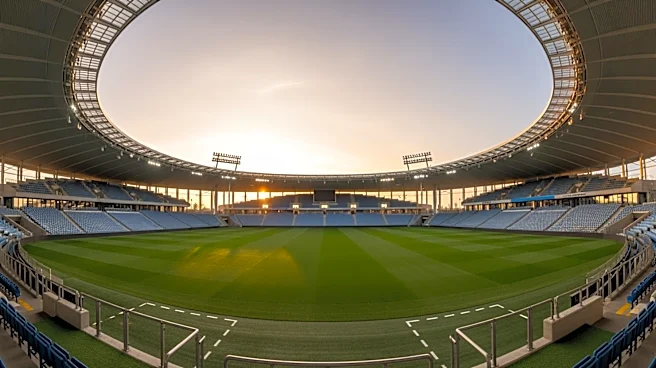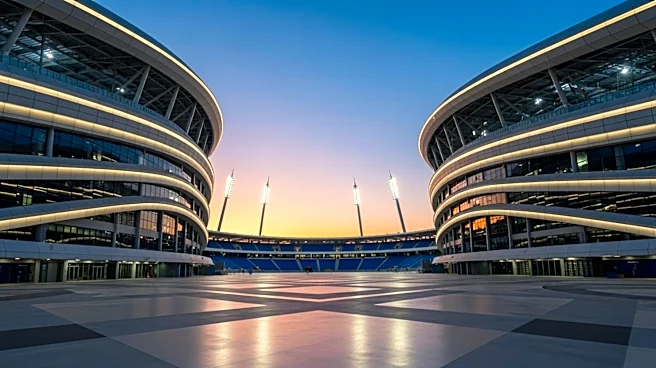



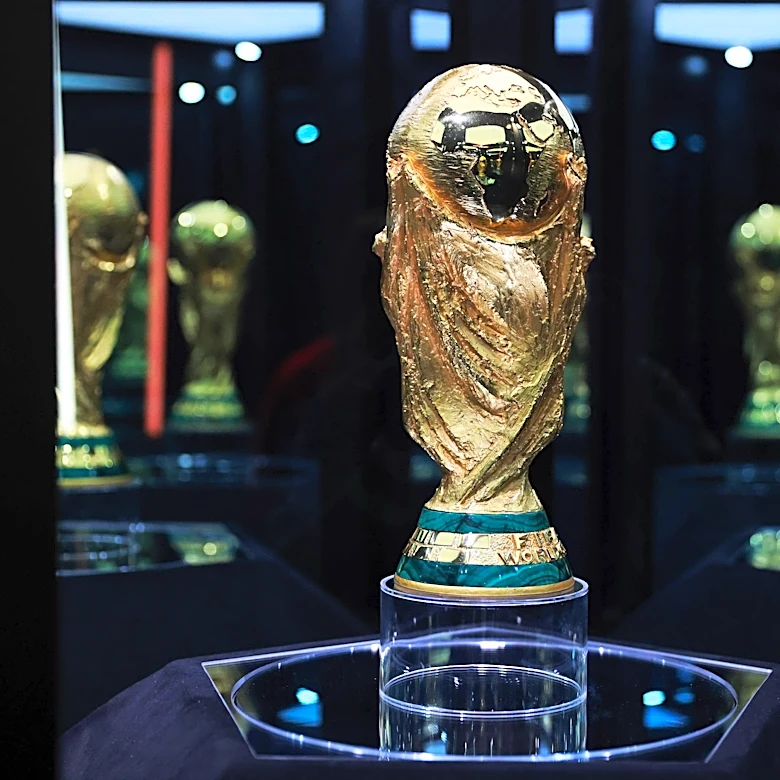

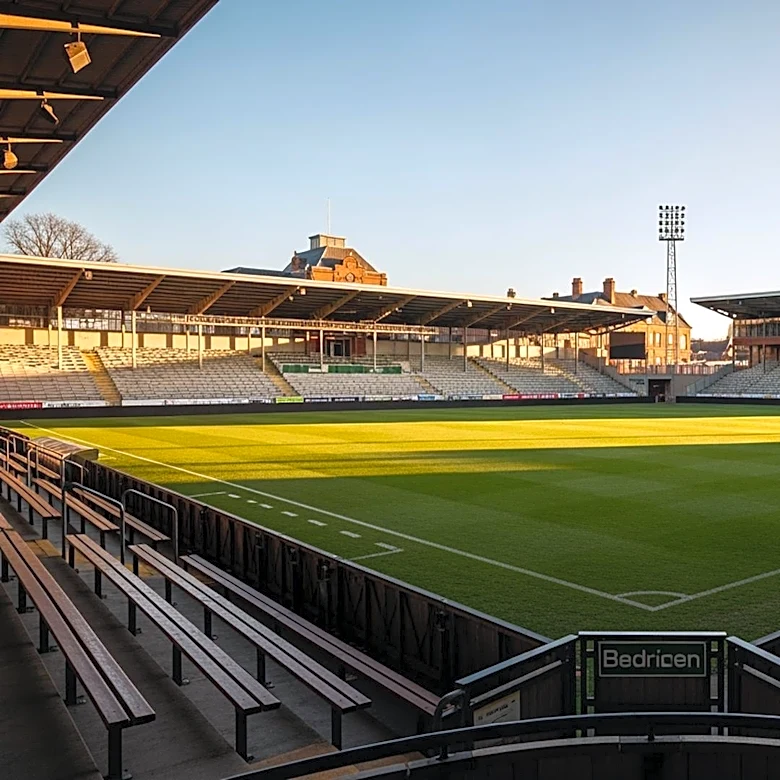



Estádio Beira-Rio, located in Porto Alegre, Brazil, is a significant landmark in the world of football. Known as the home of Sport Club Internacional, this stadium has a rich history that dates back to its opening in 1969. Over the years, it has evolved to become a modern venue capable of hosting international events, including the 2014 FIFA World Cup. This article delves into the historical development of Estádio Beira-Rio, highlighting key milestones
and transformations.
Early Beginnings and Construction
The construction of Estádio Beira-Rio began in the 1960s, a period marked by significant development in Brazilian football infrastructure. The stadium was built to provide a new home for Sport Club Internacional, one of Brazil's prominent football clubs. The construction process was a massive undertaking, involving the dedication and support of the club's fans and the local community. The stadium's location by the Guaíba River added to its appeal, offering a picturesque setting for football matches.
The construction of Estádio Beira-Rio was completed in 1969, marking a new era for Sport Club Internacional. The stadium's opening was a momentous occasion, celebrated by fans and players alike. It quickly became a central hub for football in Porto Alegre, hosting numerous matches and events. The initial design of the stadium reflected the architectural trends of the time, with a focus on functionality and capacity.
Modernization and World Cup Hosting
In preparation for the 2014 FIFA World Cup, Estádio Beira-Rio underwent significant renovations to meet international standards. These upgrades were essential to ensure the stadium could accommodate the influx of international visitors and provide a world-class experience. The renovations included the installation of modern facilities, improved seating arrangements, and enhanced accessibility features.
The 2014 FIFA World Cup was a pivotal moment in the history of Estádio Beira-Rio. Hosting matches during this prestigious event elevated the stadium's status on the global stage. It showcased the stadium's ability to host large-scale international events, further solidifying its reputation as a premier football venue. The successful hosting of World Cup matches demonstrated the effectiveness of the renovations and the stadium's capacity to handle significant crowds.
Legacy and Cultural Impact
Estádio Beira-Rio holds a special place in the hearts of Sport Club Internacional fans and the broader football community. Its rich history and modern facilities make it a symbol of pride for Porto Alegre and Brazil. The stadium's legacy extends beyond football, serving as a venue for various cultural and social events. It has become a gathering place for the community, hosting concerts, festivals, and other significant events.
The cultural impact of Estádio Beira-Rio is evident in its continued popularity and relevance. It stands as a testament to the passion and dedication of Sport Club Internacional's supporters and the broader football community. As a historic and modern venue, Estádio Beira-Rio continues to play a vital role in the cultural and sporting life of Porto Alegre, ensuring its place in the annals of football history.