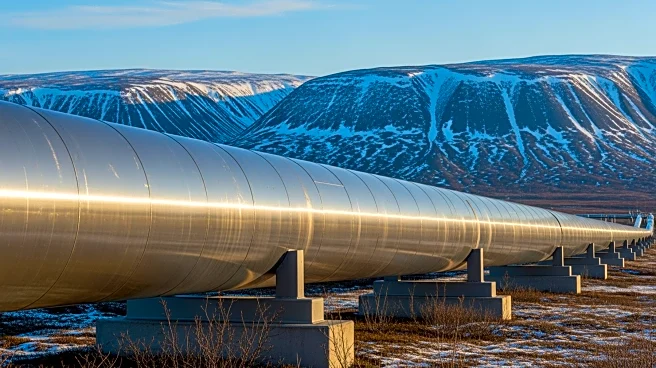




The Trans-Alaska Pipeline System (TAPS) is not just an engineering marvel but also a significant economic driver for the state of Alaska. Completed in 1977, this 800-mile pipeline has played a crucial role in the state's economy by facilitating the transport of oil from Prudhoe Bay to Valdez. This article explores the economic impact of TAPS on Alaska, highlighting its contributions to the state's revenue, job creation, and infrastructure development.
Boosting State Revenue
The Trans-Alaska Pipeline System has been a major source of revenue for the state of Alaska. The pipeline enabled the efficient transport of oil from the North Slope, which significantly increased the state's oil production and exports. The revenue generated from oil taxes and royalties has been a substantial contributor to the state's budget, funding various public services and infrastructure projects.
The economic benefits of TAPS extend beyond direct revenue. The pipeline has also attracted investment in the oil and gas sector, leading to further exploration and development in the region. This has helped diversify the state's economy and reduce its reliance on federal funding, providing a more stable financial foundation for Alaska.
Job Creation and Economic Growth
The construction and operation of the Trans-Alaska Pipeline System have created thousands of jobs, both directly and indirectly. During its construction, the pipeline employed a large workforce, providing opportunities for skilled and unskilled labor alike. The influx of workers and the economic activity generated by the project contributed to the growth and development of local communities.
In addition to direct employment, TAPS has also spurred economic growth in related industries, such as transportation, logistics, and services. The demand for goods and services to support the pipeline's operation has created a ripple effect, benefiting businesses and communities across the state. This has led to increased economic activity and improved living standards for many Alaskans.
Infrastructure and Community Development
The economic impact of the Trans-Alaska Pipeline System extends to infrastructure and community development. The revenue generated from the pipeline has been used to fund various infrastructure projects, including roads, schools, and healthcare facilities. This has improved the quality of life for residents and supported the growth of local communities.
Moreover, the presence of the pipeline has led to the development of new infrastructure to support its operation, such as ports, storage facilities, and transportation networks. These developments have further enhanced the state's economic potential and provided additional opportunities for growth and investment.
In summary, the Trans-Alaska Pipeline System has had a profound economic impact on Alaska. By boosting state revenue, creating jobs, and supporting infrastructure development, TAPS has played a vital role in shaping the state's economy and improving the lives of its residents.