



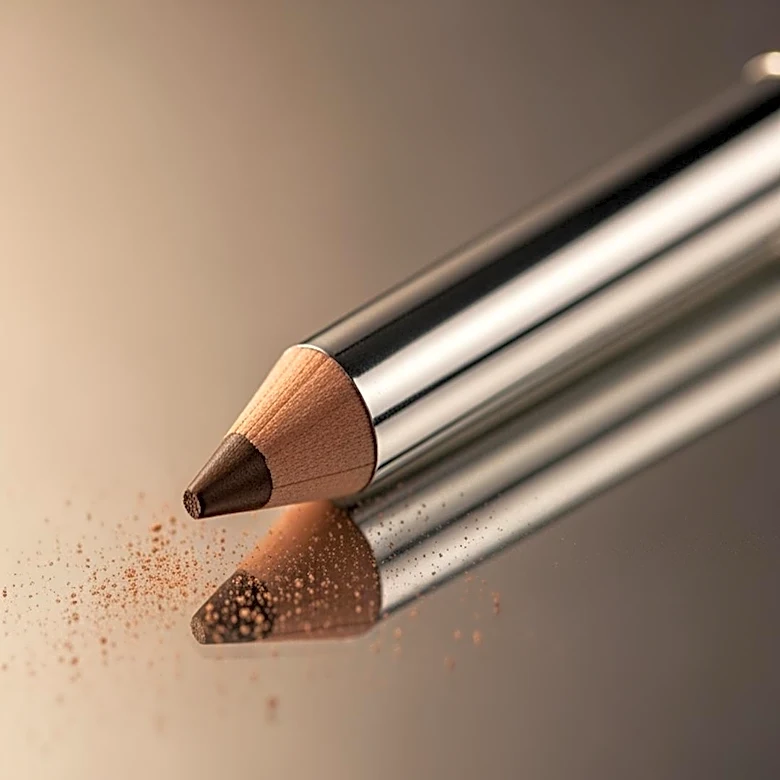



Eyeshadow has been a staple in the world of cosmetics for thousands of years, with its use dating back to ancient civilizations. Over time, the formulation, application, and cultural significance of eyeshadow have evolved, reflecting changes in fashion, technology, and societal norms. This article explores the historical journey of eyeshadow, from its early beginnings to its modern-day variations.
Ancient Origins
The use of eyeshadow can be traced back to ancient
Egypt, where both men and women adorned their eyes with kohl, a dark powder made from crushed minerals. This practice was not only for aesthetic purposes but also held cultural and religious significance. Kohl was believed to protect the eyes from the harsh sun and ward off evil spirits. The iconic look of heavily lined eyes became synonymous with Egyptian beauty and has influenced makeup trends throughout history.
In addition to kohl, ancient Egyptians used other natural pigments to create eyeshadow. Malachite, a green mineral, was commonly used to add color to the eyelids. The use of eyeshadow was not limited to Egypt; other ancient cultures, such as the Sumerians and the Greeks, also used various substances to enhance the eyes.
The Victorian Era and Beyond
During the Victorian era, the use of cosmetics, including eyeshadow, was frowned upon in Western society. Makeup was associated with actresses and women of ill repute, and a natural, modest appearance was favored. However, this did not stop women from using subtle methods to enhance their eyes, such as applying burnt matches to darken their lashes.
The early 20th century marked a turning point for eyeshadow, as it became more widely accepted and commercially available. The 1920s saw the rise of the flapper look, characterized by smoky eyes and bold makeup. This era also witnessed the introduction of eyeshadow in various forms, such as powders and creams, making it more accessible to the general public.
Modern Innovations
Today, eyeshadow is a ubiquitous part of the beauty industry, available in an array of colors, textures, and finishes. The development of new formulations and application techniques has expanded the possibilities for creativity and self-expression. From matte to shimmery, and from neutral tones to vibrant hues, eyeshadow offers endless options for personalizing one's look.
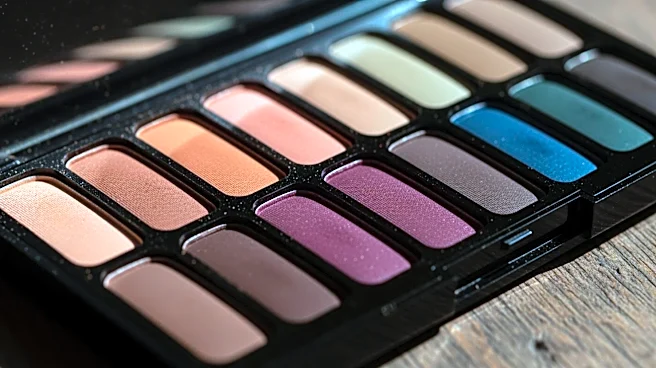
The modern eyeshadow palette is a testament to the evolution of this cosmetic product. With a wide range of colors and finishes, palettes allow users to experiment with different looks and styles. The emphasis on blending and precision application has also led to the creation of specialized brushes and tools, further enhancing the eyeshadow experience.
In conclusion, the history of eyeshadow is a reflection of the broader trends and changes in the world of cosmetics. From its ancient origins to its modern-day innovations, eyeshadow continues to be a powerful tool for enhancing beauty and expressing individuality.