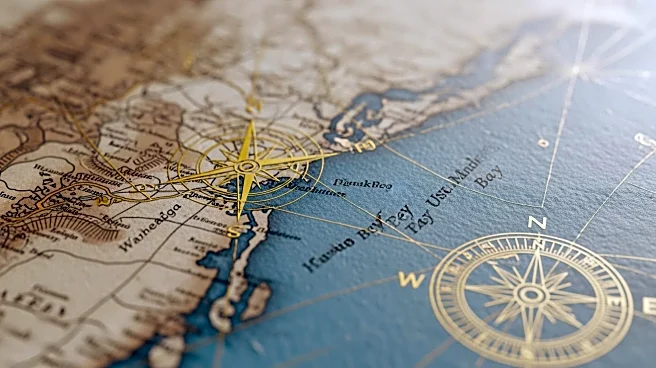




In 1847, a significant decision was made that would shape the identity of a burgeoning city on the west coast of North America. The settlement known as Yerba Buena was officially renamed San Francisco. This change was not merely cosmetic; it had profound implications for the city's recognition on international maps and its future development as a major urban center.
The Reasons Behind the Name Change
The decision to rename Yerba Buena to San Francisco was driven by practical and strategic
considerations. At the time, Yerba Buena was only locally recognized, while the name San Francisco was already in use on international maps. This discrepancy posed challenges for trade and navigation, as the city was becoming an increasingly important port.
Mayor Washington Allon Bartlett, who was appointed by U.S. forces during the conquest of California, played a pivotal role in the name change. On January 30, 1847, he ordained that the city should officially adopt the name San Francisco. This move was partly to avoid confusion with a new town being planned by General Vallejo on the Carquinez Strait, which was to be called Francisca. By adopting the name San Francisco, the city aligned itself with a name that was already familiar to international traders and navigators.
Impact on International Recognition
The renaming of Yerba Buena to San Francisco had immediate effects on the city's international standing. As a name already marked on global maps, San Francisco gained recognition as a significant location on the Pacific coast. This recognition was crucial for attracting trade and settlers, as it positioned the city as a key gateway to the Pacific and a hub for maritime activities.
The name change also reflected the city's growing importance in the region. As trade increased and the population grew, San Francisco's identity as a major port city was solidified. The new name helped to establish a distinct identity that differentiated it from other settlements in California and the broader region.
Legacy of the Name Change
The decision to rename Yerba Buena to San Francisco was a strategic move that had lasting implications for the city's development. It marked the beginning of San Francisco's transformation into a global city, known for its vibrant culture, economic opportunities, and strategic location.
Today, San Francisco is recognized worldwide as a major cultural and economic center. The name change in 1847 was a pivotal moment that set the stage for the city's future growth and success. It highlights the importance of identity and recognition in the development of urban centers and their role in the global landscape.