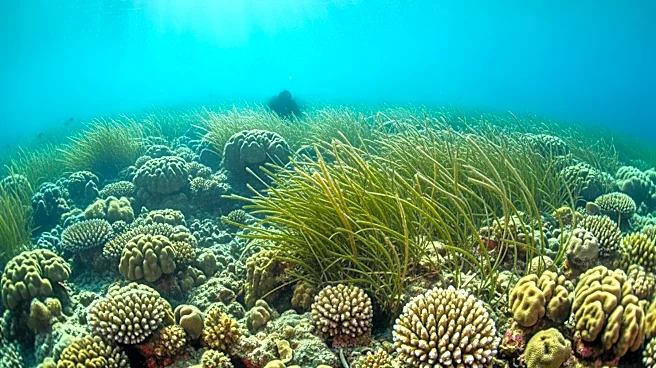







Biscayne National Park, located in Florida, is renowned for its vibrant marine ecosystems and stunning coral reefs. Established in 1980, the park covers most of Biscayne Bay and offers a unique glimpse into the underwater world. This article delves into the diverse marine life and the ecological significance of the park's coral reefs.
The Rich Marine Life
Biscayne National Park is home to a variety of marine species, making it a haven for biodiversity. The park's waters
are teeming with fish, crustaceans, and other aquatic life forms. Visitors can witness schools of colorful fish darting through the coral reefs, while larger species like sea turtles and dolphins are often spotted in the deeper waters. The park's marine ecosystems are not only a visual spectacle but also play a crucial role in maintaining the ecological balance of the region.
The coral reefs within Biscayne National Park are particularly noteworthy. These reefs provide shelter and food for numerous marine organisms, creating a complex and interdependent ecosystem. The reefs are formed by colonies of coral polyps, which secrete calcium carbonate to build their hard exoskeletons. Over time, these structures grow and evolve, offering a habitat for a myriad of marine species.
Coral Reefs: The Underwater Gardens
Coral reefs are often referred to as the "rainforests of the sea" due to their rich biodiversity. In Biscayne National Park, these underwater gardens are a focal point for conservation efforts. The park's coral reefs are vital for the health of the marine environment, providing essential services such as coastal protection and supporting fisheries.
The reefs act as natural barriers, reducing the impact of waves and storms on the coastline. This helps prevent erosion and protects the habitats of various marine and terrestrial species. Additionally, the reefs support local fisheries by providing breeding grounds and nurseries for fish and other marine life. The health of these reefs is crucial for the sustainability of the park's ecosystems and the livelihoods of those who depend on them.
Conservation Challenges and Efforts
Despite their importance, the coral reefs in Biscayne National Park face several threats. Climate change, pollution, and human activities have led to coral bleaching and degradation. Rising sea temperatures and ocean acidification are particularly harmful to coral health, causing stress and reducing their ability to recover.
To combat these challenges, Biscayne National Park has implemented various conservation measures. Efforts include monitoring reef health, regulating fishing activities, and promoting sustainable tourism practices. The park also collaborates with research institutions to study coral resilience and develop strategies for restoration.
Through these initiatives, Biscayne National Park aims to preserve its marine ecosystems for future generations, ensuring that the beauty and biodiversity of its coral reefs continue to thrive.