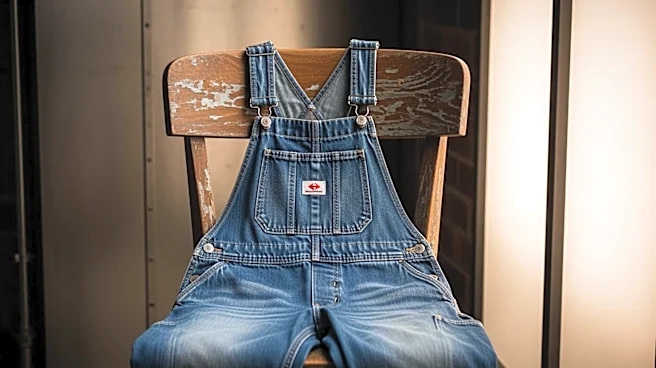




Overalls, originally designed as protective clothing for workers, have undergone a fascinating transformation over the years. Initially crafted from durable denim, these garments were intended to withstand the rigors of manual labor. However, over time, overalls have evolved beyond their utilitarian roots to become a staple in the fashion world. This article delves into the historical journey of overalls, highlighting key milestones and their transition
from workwear to a trendy fashion item.
Origins and Early Use
The concept of overalls dates back to the late 18th century, where they were mentioned in literature as protective garments worn by enslaved people. These early versions were simple and functional, designed to protect the wearer during physically demanding tasks. The first mass-produced overalls emerged in the 1890s, thanks to Levi Strauss and Jacob Davis. Their initial design, known as "waist-high overalls," consisted of denim pants with suspenders but lacked the bib that characterizes modern overalls.
By 1911, Harry David Lee introduced the first bib overalls, adding pockets and straps over the shoulders. This innovation marked a significant step in the evolution of overalls, making them more practical for workers. The durability of denim made these garments popular among laborers, and Levi Strauss & Co.'s slogan "Never Rip, Never Tear" emphasized their robustness.
The Overalls Movement and Great Depression
In 1920, overalls became a symbol of protest against the rising cost of clothing. "Overalls Clubs" formed across the United States, using the garment as a statement against profiteering in the garment industry. This movement highlighted the cultural significance of overalls beyond their practical use.
During the Great Depression, overalls were commonly worn by the poorest segments of society, including farmers, miners, and railroad workers. Their affordability and durability made them a practical choice for those facing economic hardship. Overalls became synonymous with the working class, a symbol of resilience and hard work during challenging times.
Modern Fashion and High-Fashion Influence
The 1960s marked a turning point for overalls as they gained popularity among American youth. By the 1990s, hip hop artists embraced the garment, further cementing its place in popular culture. In the 21st century, overalls have evolved into high-fashion items, with designers like Stella McCartney incorporating them into collections for men, women, and children.
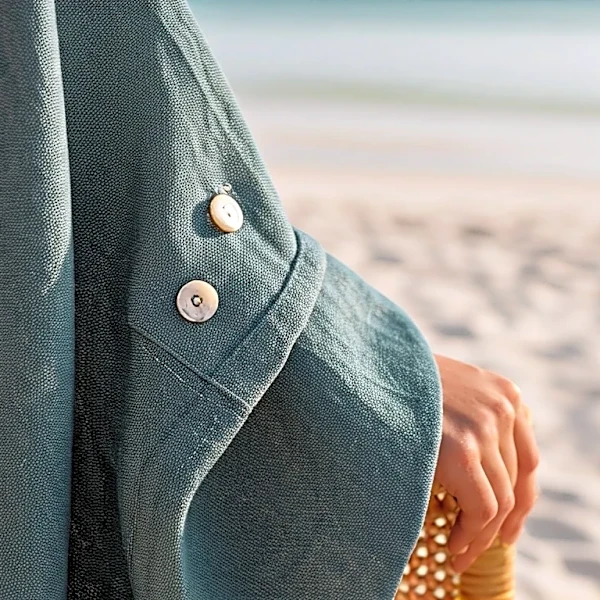
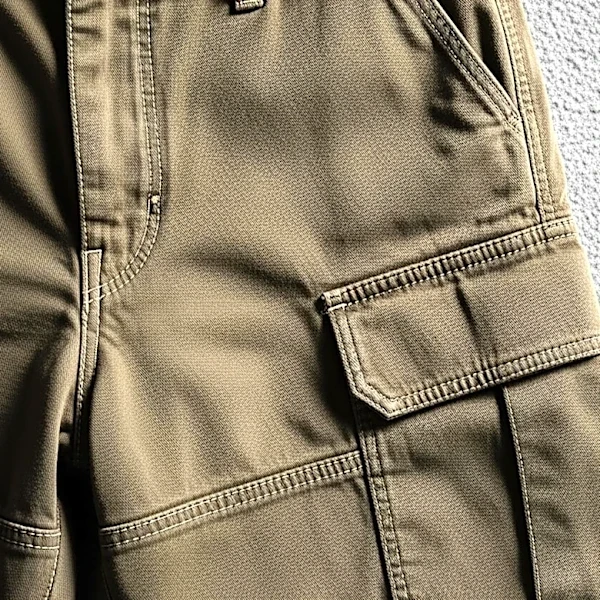
Today, overalls are available in various colors and textiles, reflecting their versatility and appeal. High-fashion brands have released their own versions, elevating overalls from workwear to a fashion statement. This transformation showcases the adaptability of overalls, proving that a garment once associated with labor can become a symbol of style and self-expression.