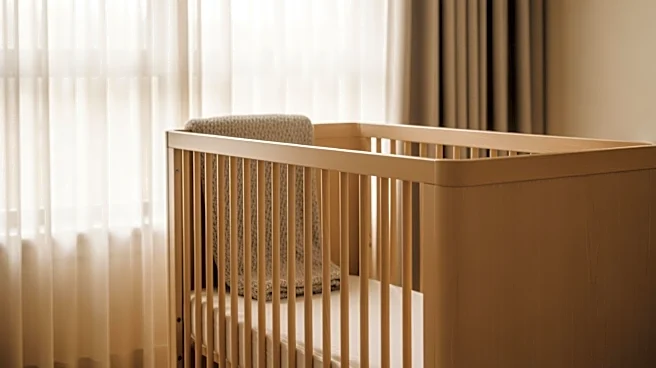







Infant beds, or cribs, are essential for ensuring the safety and comfort of babies during sleep. Over the years, safety standards have evolved significantly, leading to innovations that enhance the functionality and security of these beds. This article explores the safety standards governing infant beds and the modern innovations that have emerged as a result.
The Importance of Safety Standards
Safety standards for infant beds are crucial in preventing accidents and injuries. In the
United States, the Consumer Product Safety Commission (CPSC) has been instrumental in setting these standards since 1973. These regulations address various hazards, including falls, strangulation, suffocation, and entrapment. For example, crib sides must be high enough to prevent a child from climbing out, and the spacing between slats is regulated to prevent head entrapment.
The impact of these standards is evident in the reduction of infant bed-related deaths. Between 1973 and 2011, annual deaths attributed to infant beds in the U.S. decreased from approximately 200 to around 50. This decline highlights the effectiveness of stringent safety regulations in protecting infants.
Innovations in Infant Bed Design
In response to evolving safety standards, manufacturers have introduced several innovations in infant bed design. One notable development is the introduction of convertible cribs. These cribs can be transformed into toddler beds, extending their usability as the child grows. This innovation not only offers convenience but also ensures continued safety as the child transitions from infancy to toddlerhood.
Portable cribs, or portacots, are another significant innovation. Designed for easy transport, these cribs are ideal for families on the move. They often feature breathable mesh sides and are made from lightweight materials, making them both safe and convenient. Portacots adhere to the same safety standards as traditional cribs, ensuring that infants remain secure even when away from home.
The Future of Infant Beds
As technology advances, the future of infant beds looks promising. Manufacturers are exploring new materials and designs to further enhance safety and functionality. For instance, breathable mattresses are gaining popularity for their ability to reduce the risk of suffocation. These mattresses allow air to circulate freely, providing a safer sleep environment for infants.
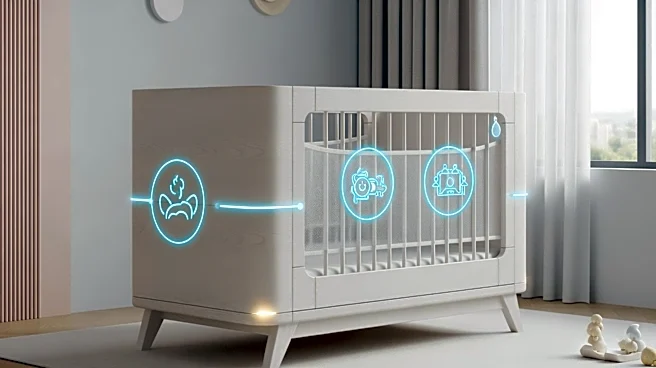
Additionally, smart cribs equipped with sensors and monitoring systems are emerging. These cribs can track a baby's movements and alert parents to any potential issues, offering an added layer of security. As these innovations continue to develop, the primary goal remains the same: to provide a safe and comfortable sleeping environment for infants.