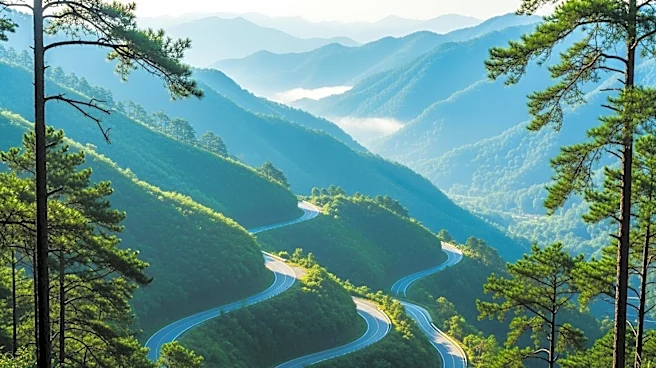





The Blue Ridge Parkway is renowned for its breathtaking views and natural beauty, making it a popular destination for travelers seeking a scenic drive through the Appalachian Mountains. Stretching 469 miles through Virginia and North Carolina, this All-American Road offers a unique experience that combines stunning landscapes with cultural and historical attractions. As the longest linear park in the United States, the parkway provides visitors with numerous
opportunities to explore its diverse offerings.
Scenic Overlooks and Natural Wonders
One of the most appealing aspects of the Blue Ridge Parkway is its numerous scenic overlooks and natural wonders. Frequent pull-offs along the route allow travelers to pause and take in the panoramic views of the surrounding mountains and valleys. These overlooks provide a perfect opportunity for photography enthusiasts to capture the beauty of the Appalachian landscape. Additionally, the parkway is home to several notable natural features, such as Mount Mitchell, the highest point in eastern North America, accessible via North Carolina Highway 128.
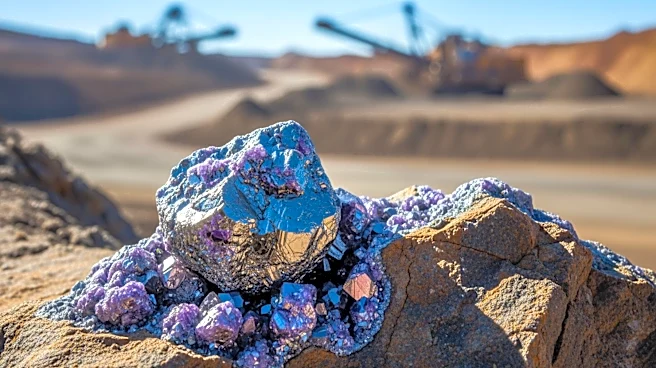
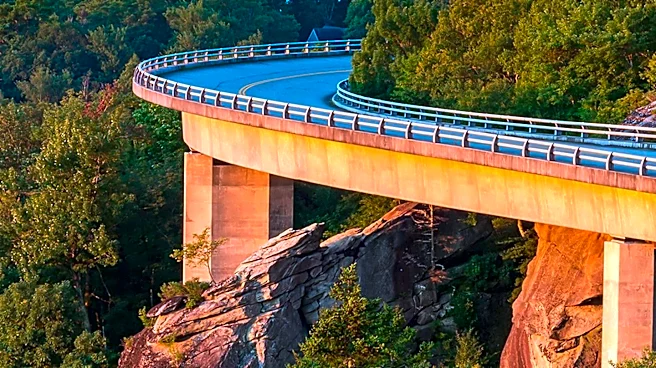
The parkway's design emphasizes the natural beauty of the region, with the road itself serving as an attraction. The use of interchanges and grade separation at cross roads ensures that traffic flows smoothly, allowing visitors to enjoy the vistas without frequent interruptions. The parkway's alignment along the spine of the Blue Ridge Mountains offers travelers a unique perspective on the area's geological features, including metamorphic rocks with folded bands of minerals.
Cultural and Historical Attractions
In addition to its natural beauty, the Blue Ridge Parkway is rich in cultural and historical attractions. The Blue Ridge Music Center, located near Galax, Virginia, celebrates the musical heritage of the region with concert programming and exhibits. The parkway also features a folk art center near Asheville, North Carolina, showcasing traditional crafts and artworks from local artisans.
Visitors can explore the history of the parkway itself, which was begun during the administration of President Franklin D. Roosevelt as the Appalachian Scenic Highway. The parkway's construction provided jobs during the Great Depression and involved various New Deal public works agencies. The Civilian Conservation Corps played a significant role in developing the parkway's landscape and recreation areas.
Hiking Trails and Outdoor Activities
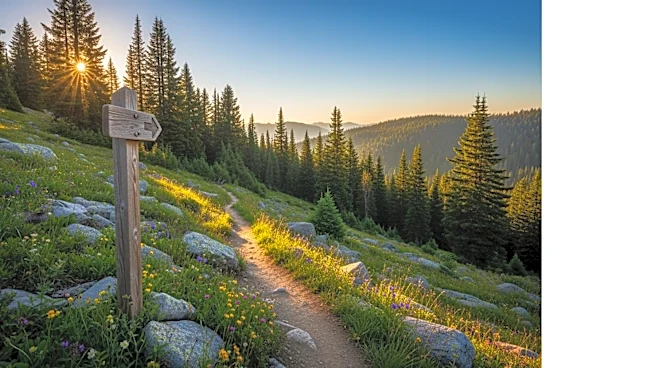
For those seeking outdoor adventure, the Blue Ridge Parkway offers access to numerous hiking trails and campgrounds. Trailheads are conveniently located along the parkway, providing opportunities for hiking and exploring the diverse flora and fauna of the region. The parkway's elevation and climate create unique ecosystems, with flowering shrubs and wildflowers dominating the landscape in spring and vibrant autumn foliage in the fall.
Camping facilities along the parkway allow visitors to immerse themselves in the natural environment, with options for overnight stays in designated campgrounds. The parkway's commitment to preserving its natural resources ensures that visitors can enjoy the beauty of the Appalachian Mountains while minimizing their impact on the environment.