






The Oklahoma City National Memorial stands as a poignant tribute to the victims, survivors, and rescuers of the Oklahoma City bombing. Located on the former site of the Alfred P. Murrah Federal Building, the memorial serves as a place of reflection and remembrance. It honors those who were affected by the tragic events of April 19, 1995, and inspires future generations to learn from the past.
The Creation of the Memorial
In the wake of the bombing, there was a strong desire to
create a permanent memorial to honor the lives lost and the resilience of the community. A task force was appointed to oversee the development of the memorial, which called for a symbolic outdoor space, a museum, and the establishment of the Oklahoma City National Memorial Institute for the Prevention of Terrorism.
The design for the memorial was selected from 624 submissions and was created by Butzer Design Partnership. The memorial was officially authorized by President Bill Clinton on October 9, 1997, and was dedicated on April 19, 2000, the fifth anniversary of the bombing. The museum opened ten months later, on February 19, 2001.
Features of the Memorial
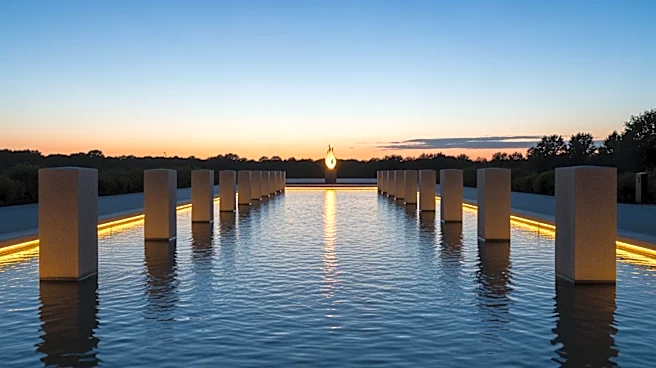
The Oklahoma City National Memorial is a thoughtfully designed space that encompasses several symbolic elements. The Gates of Time, two monumental bronze gates, frame the moment of destruction at 9:02 a.m. and mark the entrances to the memorial. The Reflecting Pool, situated between the gates, offers a serene space for contemplation.
The Field of Empty Chairs is perhaps the most striking feature of the memorial. Each of the 168 chairs represents a life lost in the bombing, with smaller chairs symbolizing the children who perished. The chairs are arranged in nine rows, corresponding to the nine floors of the Murrah Building.
The Memorial's Impact and Legacy
The Oklahoma City National Memorial serves as a powerful reminder of the impact of violence and the strength of the human spirit. It attracts visitors from around the world, offering a space for education and reflection. The memorial's museum provides a comprehensive account of the events leading up to the bombing, the attack itself, and the aftermath.
Through its design and educational programs, the memorial encourages visitors to reflect on the importance of peace, tolerance, and understanding. It stands as a testament to the resilience of the Oklahoma City community and the enduring legacy of those who were affected by the tragedy.