






A. J. Foyt's triumph at the 1967 Indianapolis 500 marked his third victory at this prestigious event, solidifying his status as one of the greatest drivers in motorsport history. Held at the Indianapolis Motor Speedway, the race was filled with unexpected turns and challenges. This article explores Foyt's journey to victory and the factors that contributed to his success.
Early Challenges and Mechanical Troubles
A. J. Foyt faced several challenges during the 1967 Indianapolis 500, including
mechanical troubles during the time trials. Initially, Foyt suffered issues on his first qualifying attempt, forcing him to pull off the course. Despite these setbacks, he returned to qualify in the fourth starting position, demonstrating resilience and determination.
Throughout the race, Foyt remained a strong contender, navigating through spins and crashes that affected other drivers. His ability to maintain focus and adapt to changing conditions was crucial in positioning himself for victory. As the race progressed, Foyt's strategic decisions and skillful driving kept him in contention.
Seizing the Opportunity
The turning point for Foyt came in the final laps of the race when Parnelli Jones, who had dominated the event, experienced a transmission bearing failure. With Jones out of the race, Foyt seized the opportunity to take the lead, showcasing his readiness to capitalize on unexpected situations.
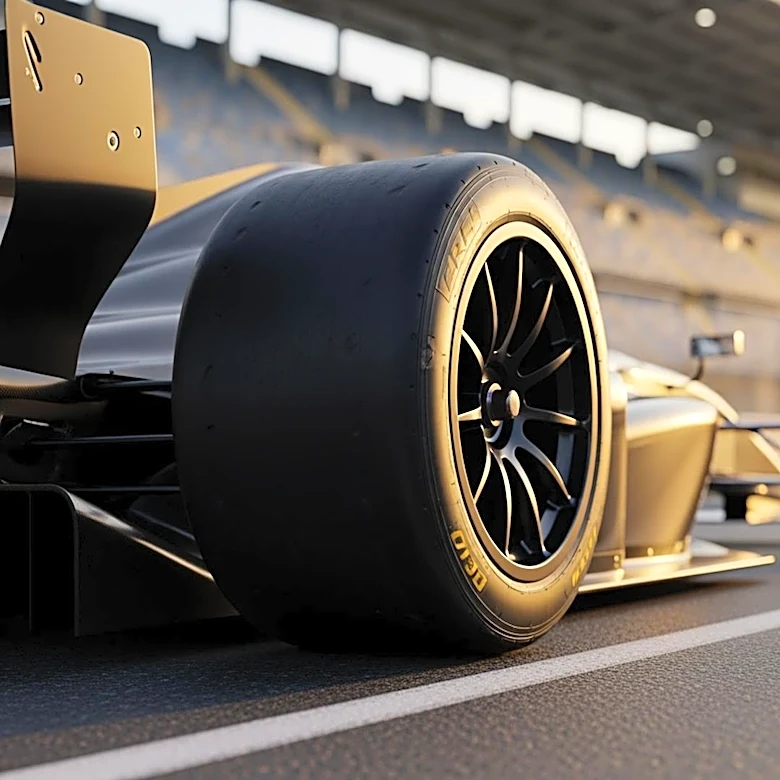
Foyt's experience and composure were evident as he navigated through a chaotic final lap, where a four-car crash occurred. His ability to avoid the wreckage and maintain control of his vehicle was a testament to his skill and racing acumen. Foyt's victory was not only a personal achievement but also a significant milestone for Goodyear tires, breaking Firestone's long-standing dominance.
Legacy and Impact
A. J. Foyt's third victory at the Indianapolis 500 cemented his legacy as a racing legend. His winning speed set a new record, highlighting his ability to push the limits of performance. Foyt's success in 1967 contributed to his reputation as a driver who could excel under pressure and adapt to the challenges of racing.
The impact of Foyt's victory extended beyond the race itself, influencing tire technology and racing strategies. Goodyear's triumph marked a shift in the competitive landscape, showcasing the importance of innovation and reliability. Foyt's journey to victory in 1967 remains a defining moment in the history of the Indianapolis 500, illustrating the unpredictable and thrilling nature of motorsport.