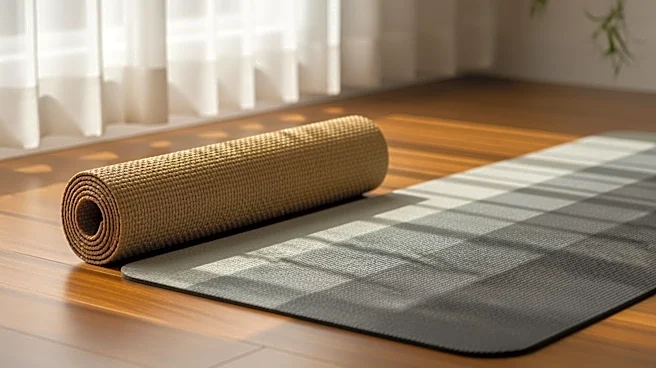

Yoga mats have become an essential part of modern yoga practice, but their history is as rich and varied as yoga itself. From ancient times when practitioners used natural materials to the development
of specialized mats, the evolution of the yoga mat reflects the changing needs and practices of yoga enthusiasts. This article explores the journey of the yoga mat from its origins to its current status as a household item.
Ancient Beginnings
In ancient India, yoga was practiced on bare ground or on natural materials like deer or tiger skins. These materials were not just practical; they were also symbolic, representing a connection to nature and the spiritual aspects of yoga. The Bhagavadgita and the Shvetashvatara Upanishad mention the use of such materials, emphasizing their importance in achieving enlightenment. Practitioners would sit on these skins, often placed on kusha grass, to meditate and perform asanas, the physical postures of yoga.
The use of natural materials was not only about tradition but also about practicality. The skins provided a non-slip surface and a degree of comfort, which was essential for maintaining poses and meditating for extended periods. However, as yoga began to spread beyond India, the need for more accessible and practical solutions became apparent.
The Birth of the Modern Yoga Mat
The modern yoga mat as we know it began to take shape in the 20th century. With yoga's introduction to the West, practitioners initially used towels or cotton mats on wooden floors. However, these surfaces were slippery, making it difficult to maintain poses. In 1982, Angela Farmer, a yoga teacher, pioneered the use of rubber carpet underlay as a makeshift mat, which she called a "sticky mat." This innovation provided the grip needed for more dynamic forms of yoga.
The first purpose-made yoga mat was developed in the 1990s by Hugger Mugger Yoga Products. These mats were designed specifically for yoga, offering improved durability and grip. The introduction of these mats marked a significant turning point, making yoga more accessible and comfortable for practitioners worldwide.
The Yoga Mat Today
Today, yoga mats are made from a variety of materials, including rubber, plastic, cork, and hessian. Each material offers different benefits, such as grip, comfort, and weight, catering to the diverse needs of yoga practitioners. The yoga mat has become a symbol of yoga's commercialization, reflecting its widespread popularity and integration into daily life.
In 2025, the yoga mat was included in the UK's "basket" of goods and services used to calculate inflation, signifying its status as a standard household item. This inclusion highlights the mat's importance not just in yoga practice but also in consumer culture.
The evolution of the yoga mat mirrors the growth and adaptation of yoga itself. From ancient skins to modern synthetic materials, the yoga mat continues to evolve, supporting practitioners in their journey towards physical and spiritual well-being.