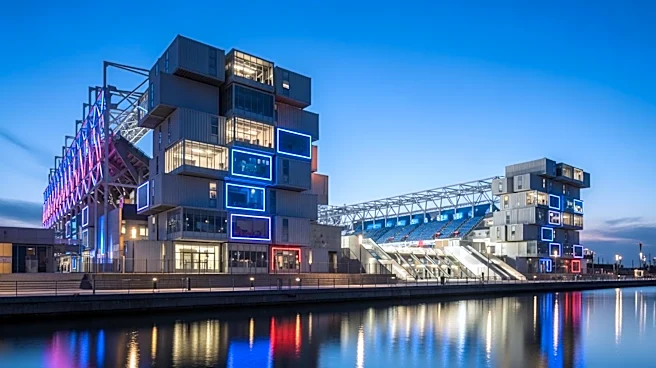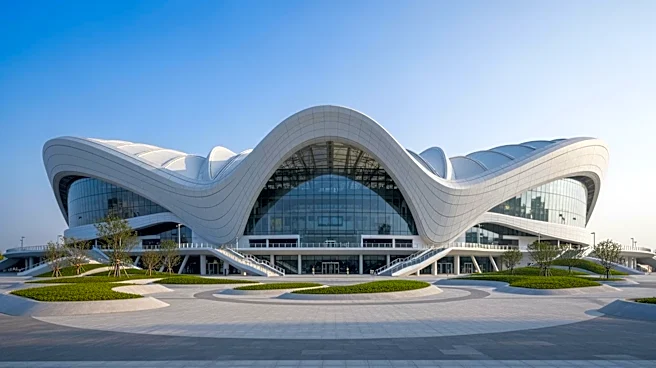

Jeju World Cup Stadium, located in Seogwipo on Jeju Island, South Korea, is not just a venue for football matches but a testament to innovative architectural design. Built for the 2002 FIFA World Cup,
the stadium's design draws inspiration from the island's natural volcanic environment and maritime culture. This article delves into the architectural features that make Jeju World Cup Stadium a unique landmark.
Volcanic Inspiration
The design of Jeju World Cup Stadium is heavily influenced by the natural landscape of Jeju Island, known for its volcanic origins. The stadium is shaped like the mouth of a volcano, a nod to the island's geological history. This design choice not only pays homage to the island's natural beauty but also integrates the stadium seamlessly into its surroundings. The volcanic theme is a recurring motif throughout the stadium, creating a cohesive aesthetic that resonates with the local environment.
The volcanic design is not merely aesthetic but also functional. The shape of the stadium allows for optimal airflow and acoustics, enhancing the experience for spectators. The open design ensures that the natural beauty of Jeju Island is visible from within the stadium, providing a breathtaking backdrop for events held there.
Maritime Elements
In addition to its volcanic inspiration, Jeju World Cup Stadium incorporates elements from the island's maritime culture. The roof of the stadium is designed to resemble the nets of traditional fishing boats used in Jeju. This design choice reflects the island's rich fishing heritage and its reliance on the sea for sustenance and trade.
The maritime theme extends to the materials used in the construction of the stadium. The use of local materials not only supports the local economy but also ensures that the stadium is in harmony with its environment. The combination of volcanic and maritime elements creates a unique architectural identity for Jeju World Cup Stadium, setting it apart from other stadiums around the world.
A Modern Landmark
Since its opening in 2001, Jeju World Cup Stadium has become a modern landmark on Jeju Island. Its innovative design and cultural significance have made it a popular destination for tourists and locals alike. The stadium's capacity was initially 42,000, but after the removal of temporary seating, it now accommodates 29,346 spectators, making it a more intimate venue for events.
Today, the stadium serves as the home of Jeju SK, a K League club, continuing its legacy as a center for sports and entertainment. The architectural marvel of Jeju World Cup Stadium stands as a symbol of the island's unique blend of natural beauty and cultural heritage, attracting visitors from around the world.