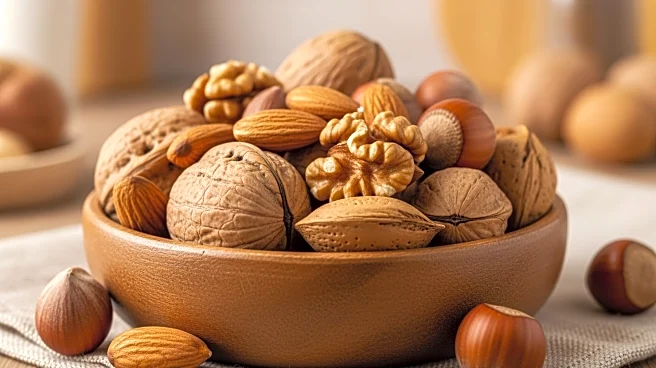




Nuts are a versatile ingredient in the culinary world, celebrated for their rich flavors and nutritional benefits. While botanically classified as fruits, nuts are commonly used in cooking and snacking due to their high fat content and nutrient density. This article examines the culinary uses of nuts and their contributions to a healthy diet.
Culinary Applications of Nuts
In the culinary sense, nuts are dry seeds or fruits that are often used in a variety of dishes. They can be
eaten raw, roasted, or sprouted, and are popular as snack foods. Nuts are also used to make nut milk, nut butters, and oils, which are utilized in cooking and cosmetics.
The versatility of nuts extends to their use in baking and flavoring. They add texture and richness to baked goods, salads, and main courses. Common culinary nuts include almonds, pecans, and walnuts, which are technically seeds of drupes, and peanuts, which are legumes. Despite their botanical differences, these nuts are valued for their culinary properties.
Nutritional Profile of Nuts
Nuts are an energy-dense food source, providing a significant amount of calories from unsaturated fats, such as linoleic and linolenic acids. They are rich in essential nutrients, including B vitamins, vitamin E, and amino acids. The nutrient composition of nuts varies slightly among different types, but they generally have low water and carbohydrate content, with high levels of protein, dietary minerals, and fiber.
Regular consumption of nuts is associated with various health benefits. They may contribute to weight control, lower cholesterol levels, and reduce the risk of cardiovascular diseases. For vegetarians and vegans, nuts provide essential nutrients that may be lacking in other plant foods, making them a valuable component of a balanced diet.
Allergies and Safety Considerations
While nuts offer numerous health benefits, they are also a common source of food allergens. Reactions can range from mild symptoms to severe anaphylaxis, which can be life-threatening. Tree nut allergies are distinct from peanut allergies, as peanuts are legumes. However, individuals with peanut allergies are often advised to avoid tree nuts as well.
In the European Union, foods containing nuts must be labeled to inform consumers of potential allergens. This regulation helps ensure the safety of individuals with nut allergies, allowing them to make informed choices about their food consumption.